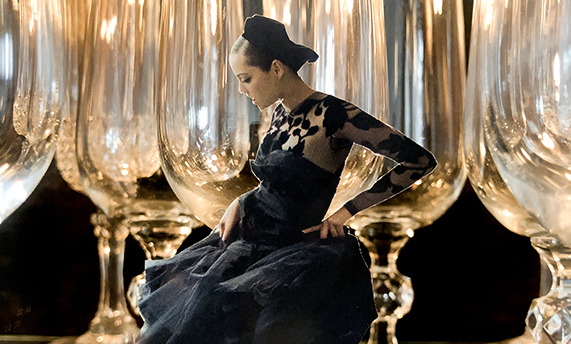
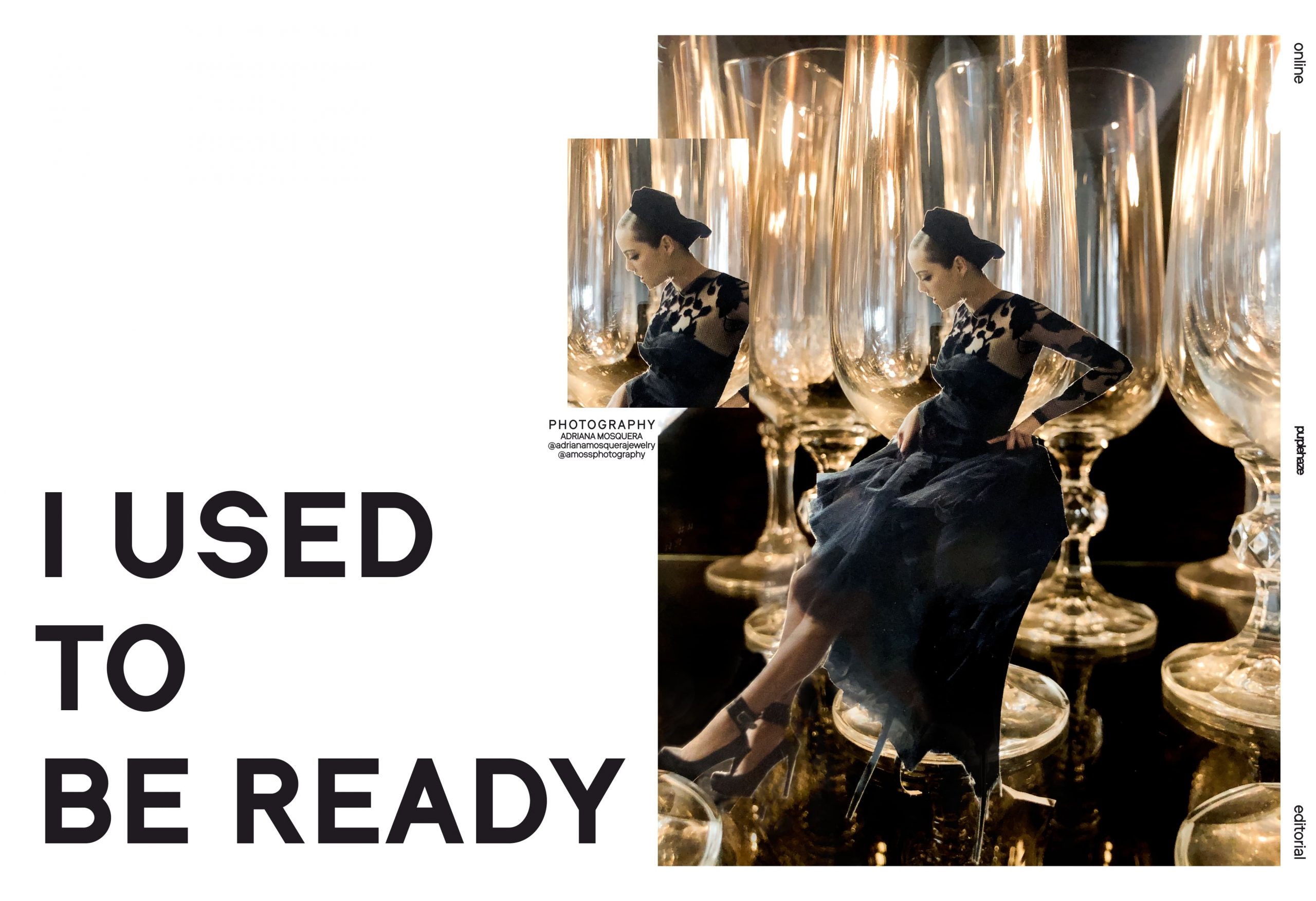
I USED TO BE READY
Author: Adriana Mosquera @amossphotography @adrianamosquerajewelry
Mixed media: Mobile Photography and fashion magazine clippings
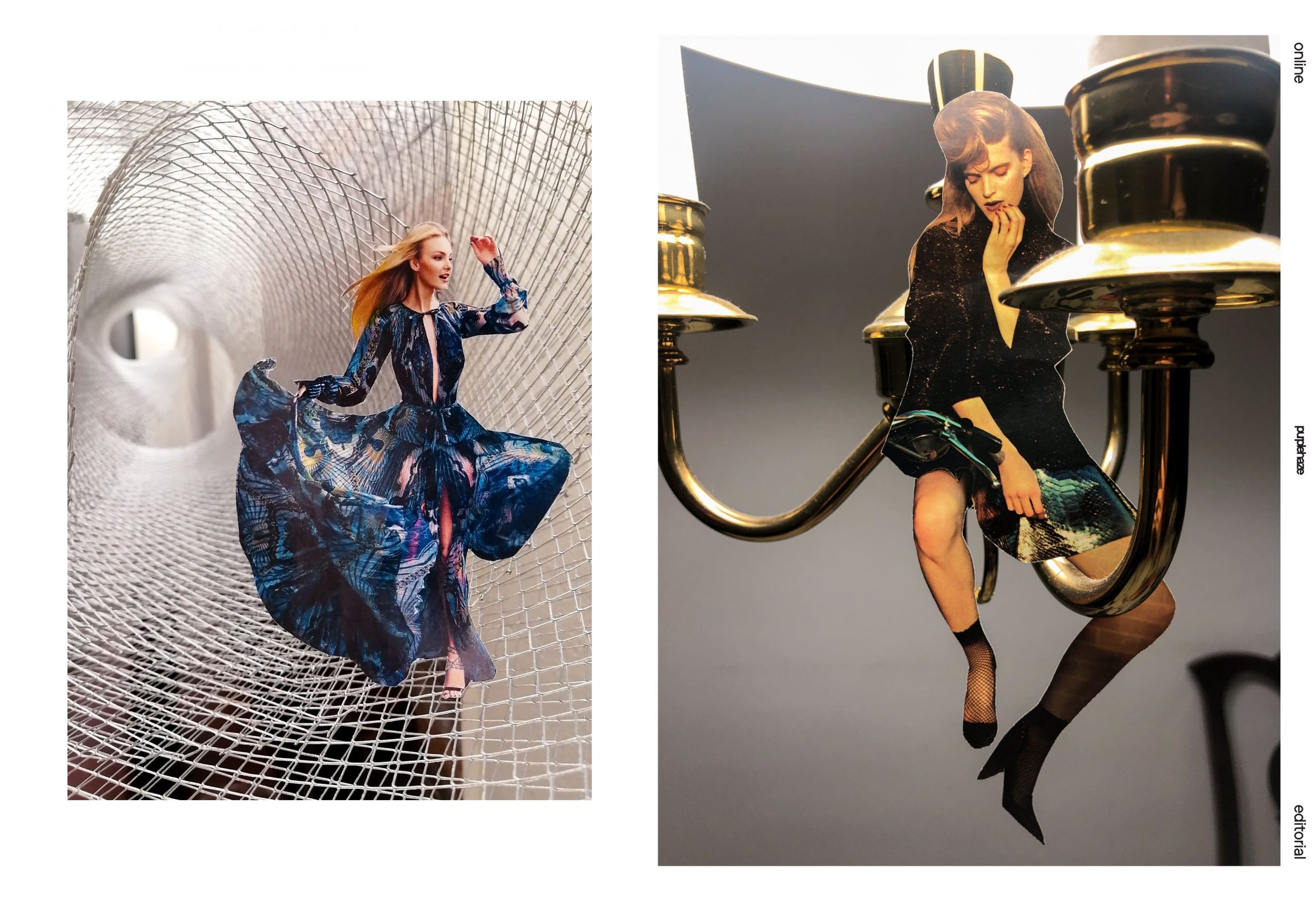

Author: Adriana Mosquera @amossphotography @adrianamosquerajewelry
Mixed media: Mobile Photography and fashion magazine clippings
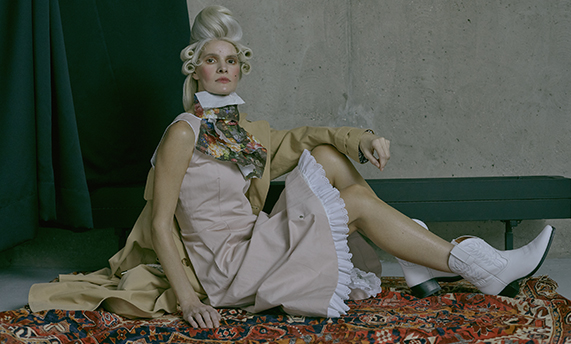
Photo: Olga Tuponogova-Volkova @tuponogova_volkova
Photo assistant: Konstantin Egonov @kostya_nekiy
Style: Galina Smirnskaya @smirnskaya.gala
Make-up & hair: Elena Zubareva @zubarevamakeup
Model: Yulia Tsvetkova (NIK Modelmanagement) @nikmodelmanagement
Producer: Asia Oleynik @asiaoleynik
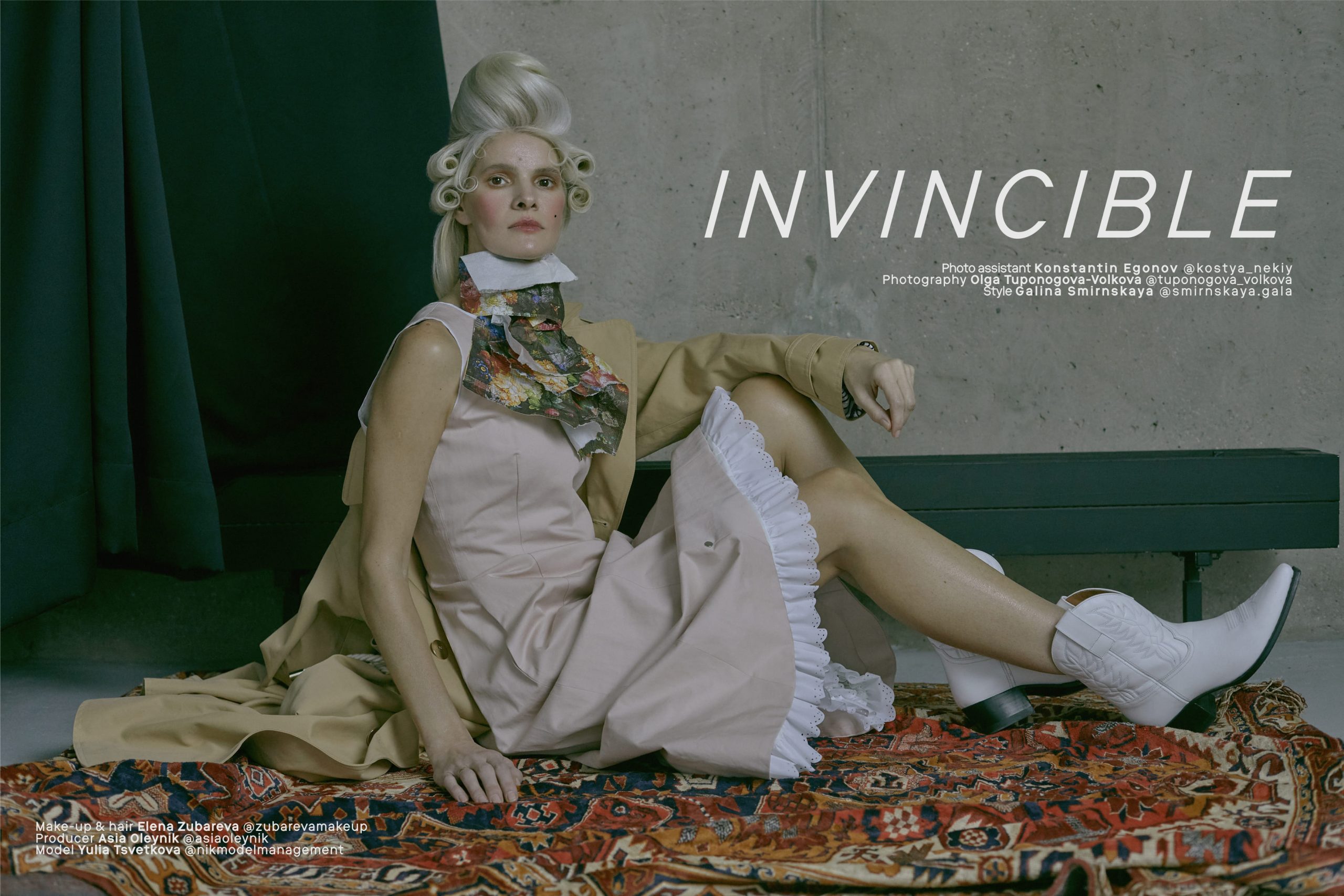
dress — WEEKEND MAXMARA; trenchcoat — ELISABETTA FRANCHI
boots — MANGO
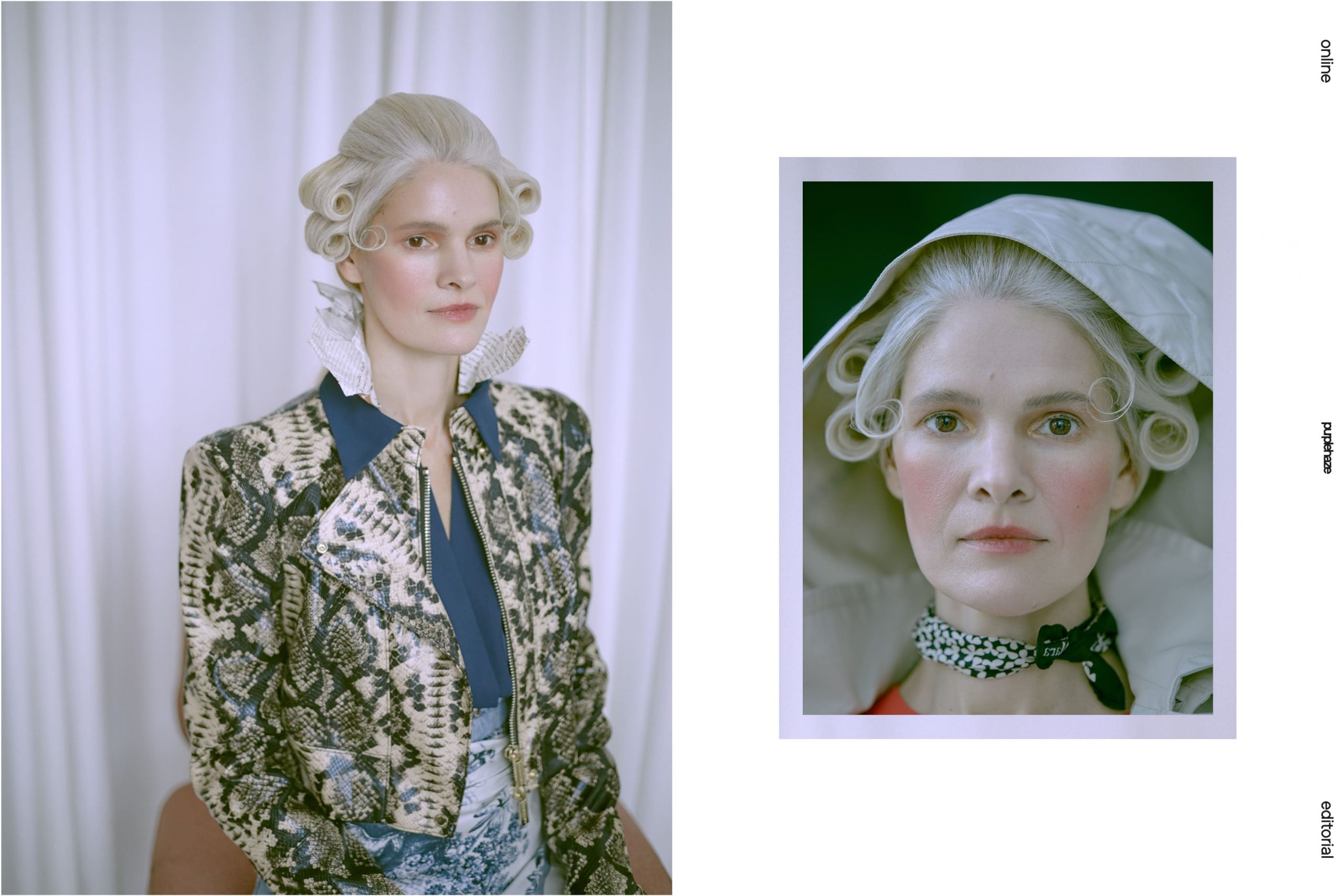
blouse —ELISABETTA FRANCHI; jacket — MARCIANO; scarf — MARINA RINALDI
trenchcoat, neck scarf — MAXMARA; t-shirt — LEVIS

t-shirt — LEVIS; jeans and jacket — GUESS
trenchcoat — MAXMARA; boots — MANGO
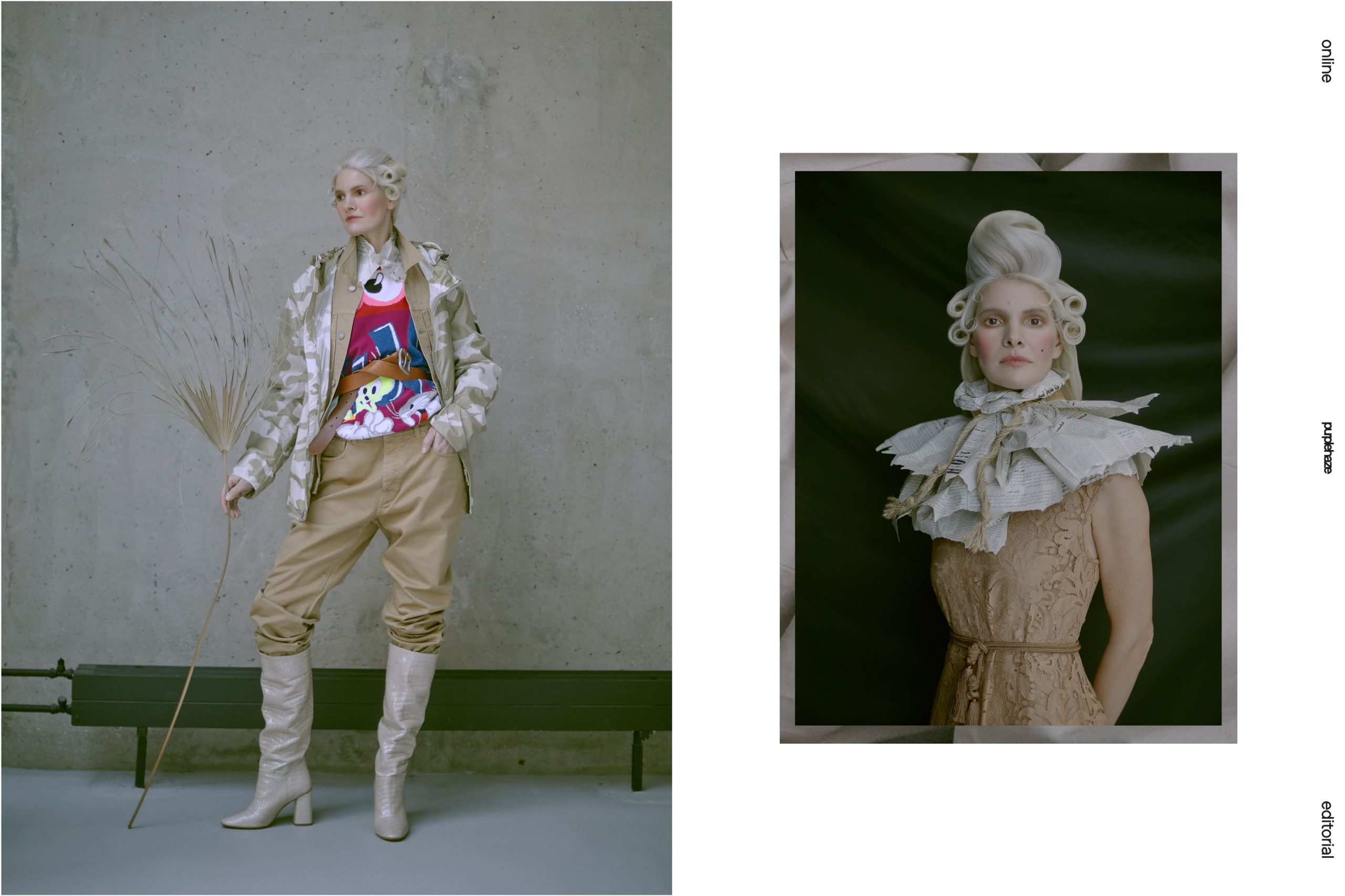
sweater — ICEBERG; pants, jacket, boots — YOOX; camouflage printed jacket — WOOLRICH
Dress – MAXMARA
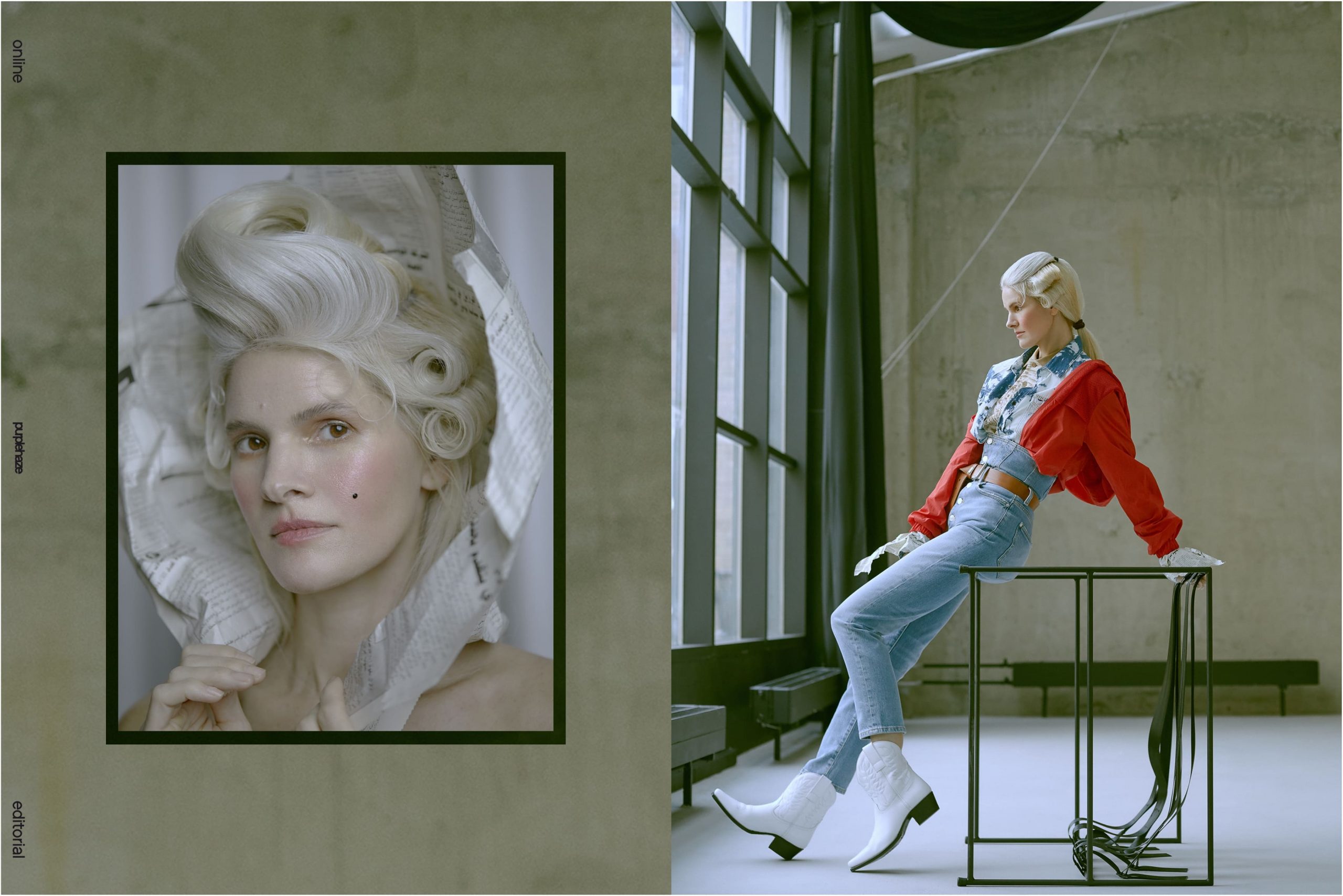
polo shirt — MARCIANO; jeans, shirt — GUESS
jacket — PUMA; belt — LEVIS; boots —MANGO
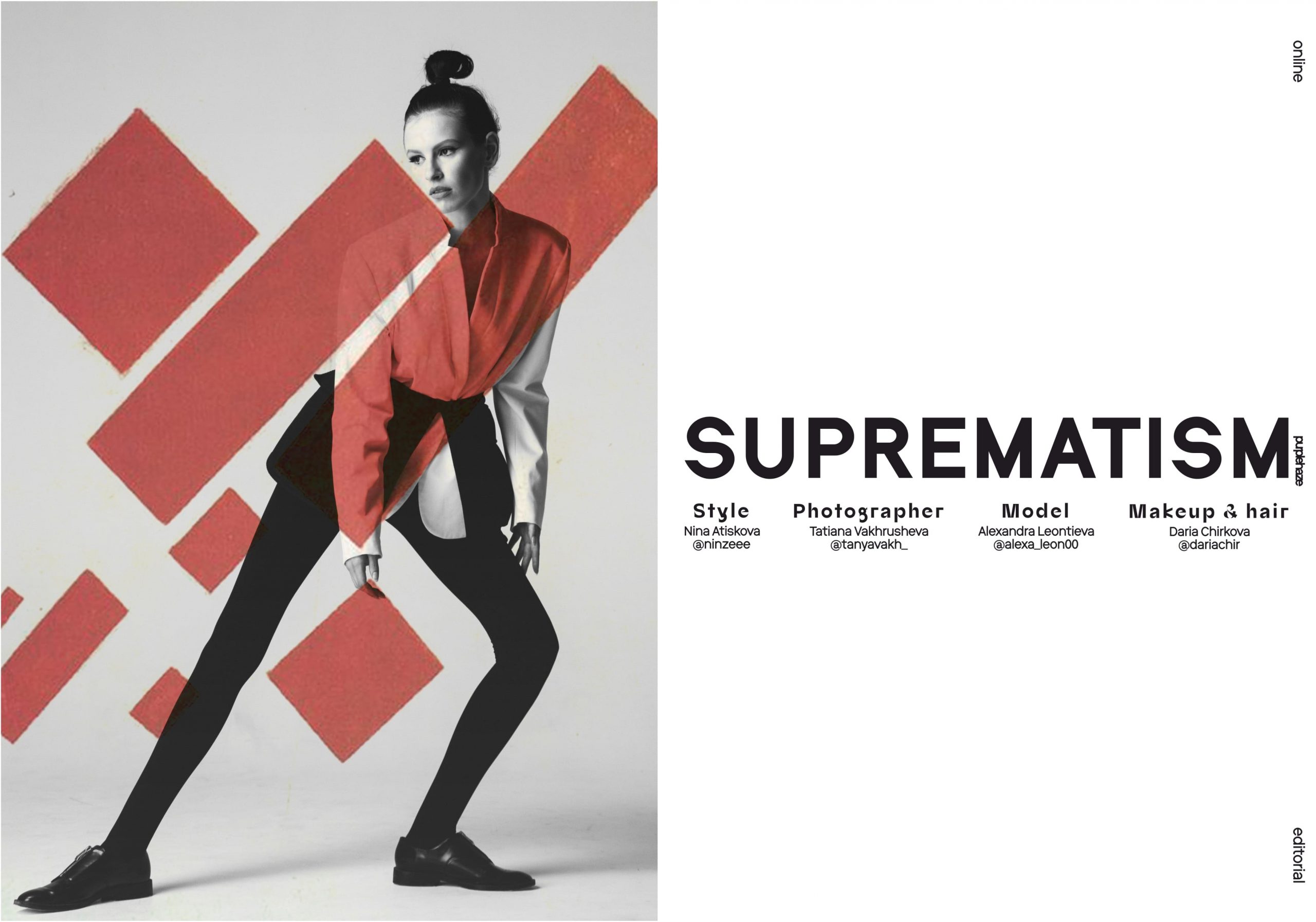
Photographer: Tatiana Vakhrusheva @tanyavakh_
Style: Nina Atiskova @ninzeee
Makeup and hair: Daria Chirkova @dariachir
Model: Alexandra Leontieva @alexa_leon00
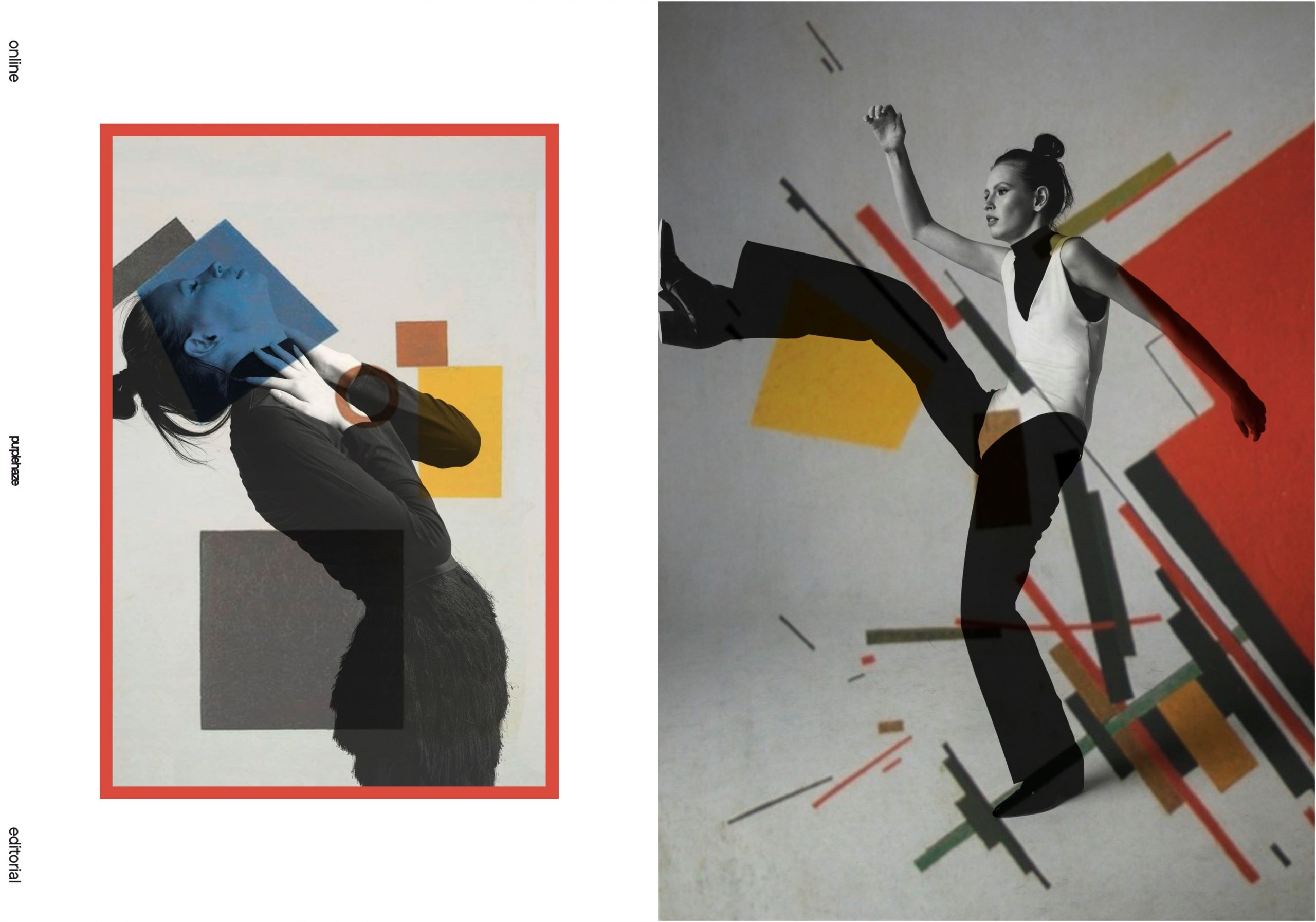
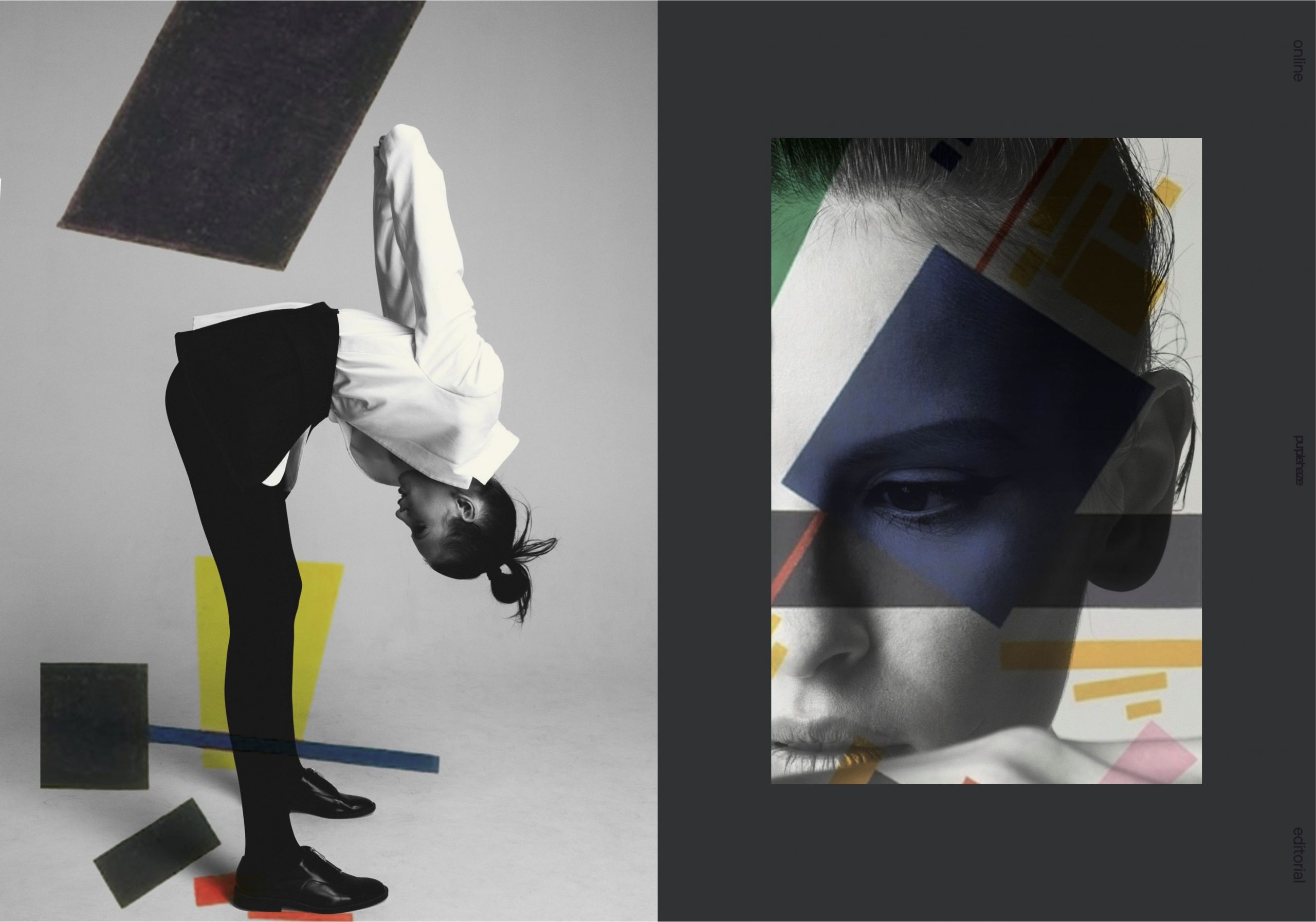
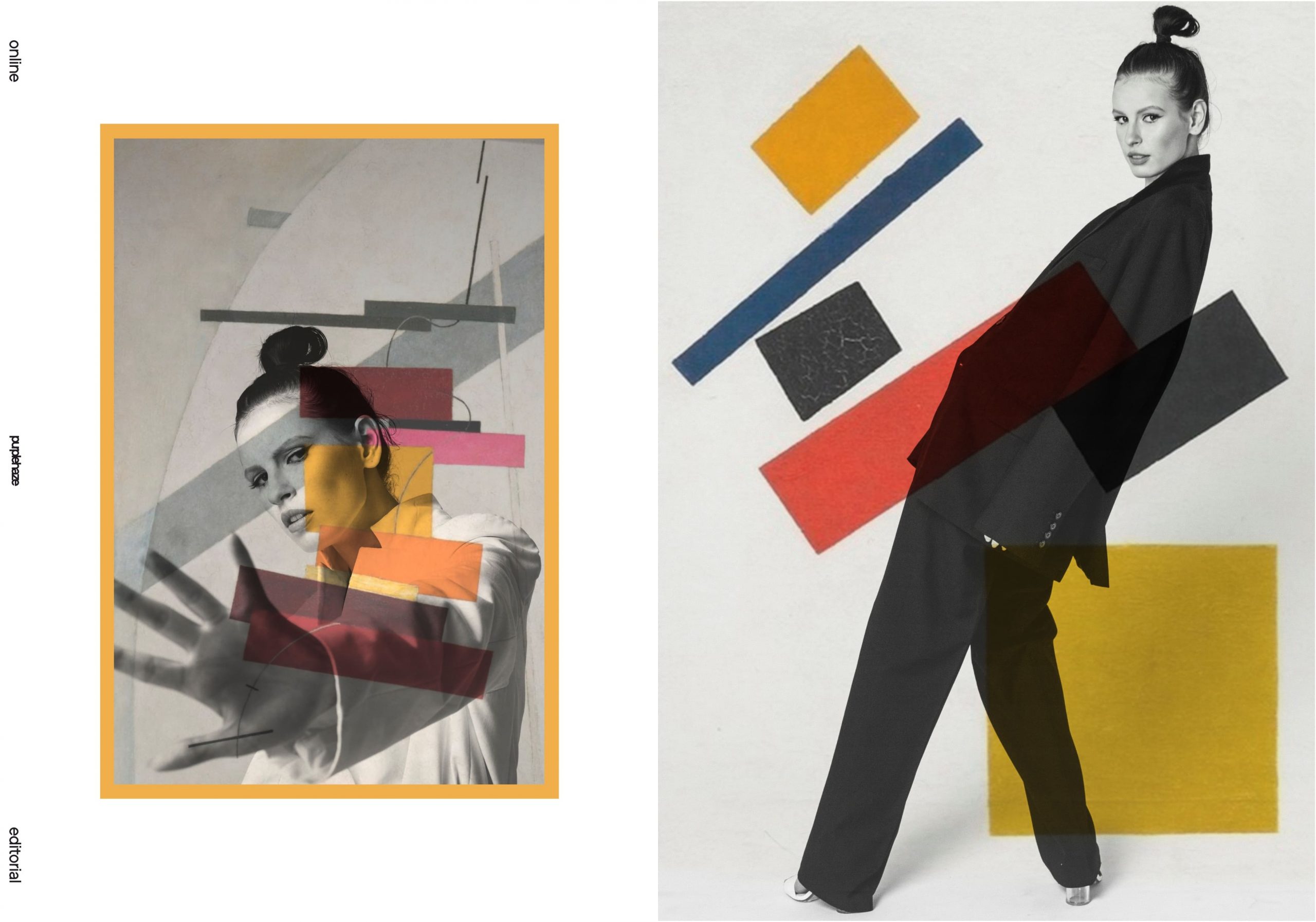

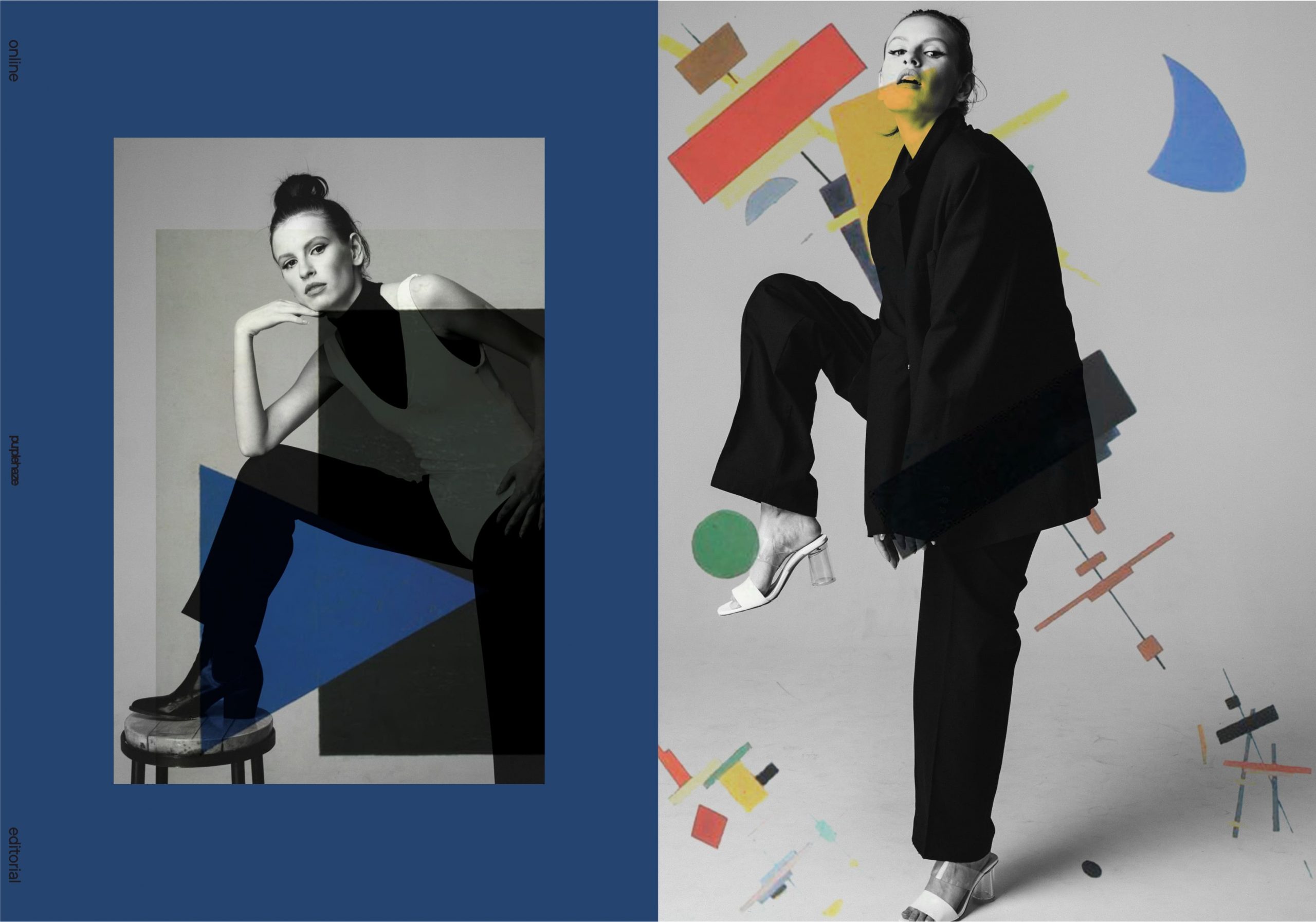
Description: It’s not only them that dies, every moment you spend regretting and feeling sorry for yourself, you give in to the loss you have experienced. You become out of reach and that’s additional loss.
Photographer: Duc Dang @ducdang1212
Model: Maria @douxria

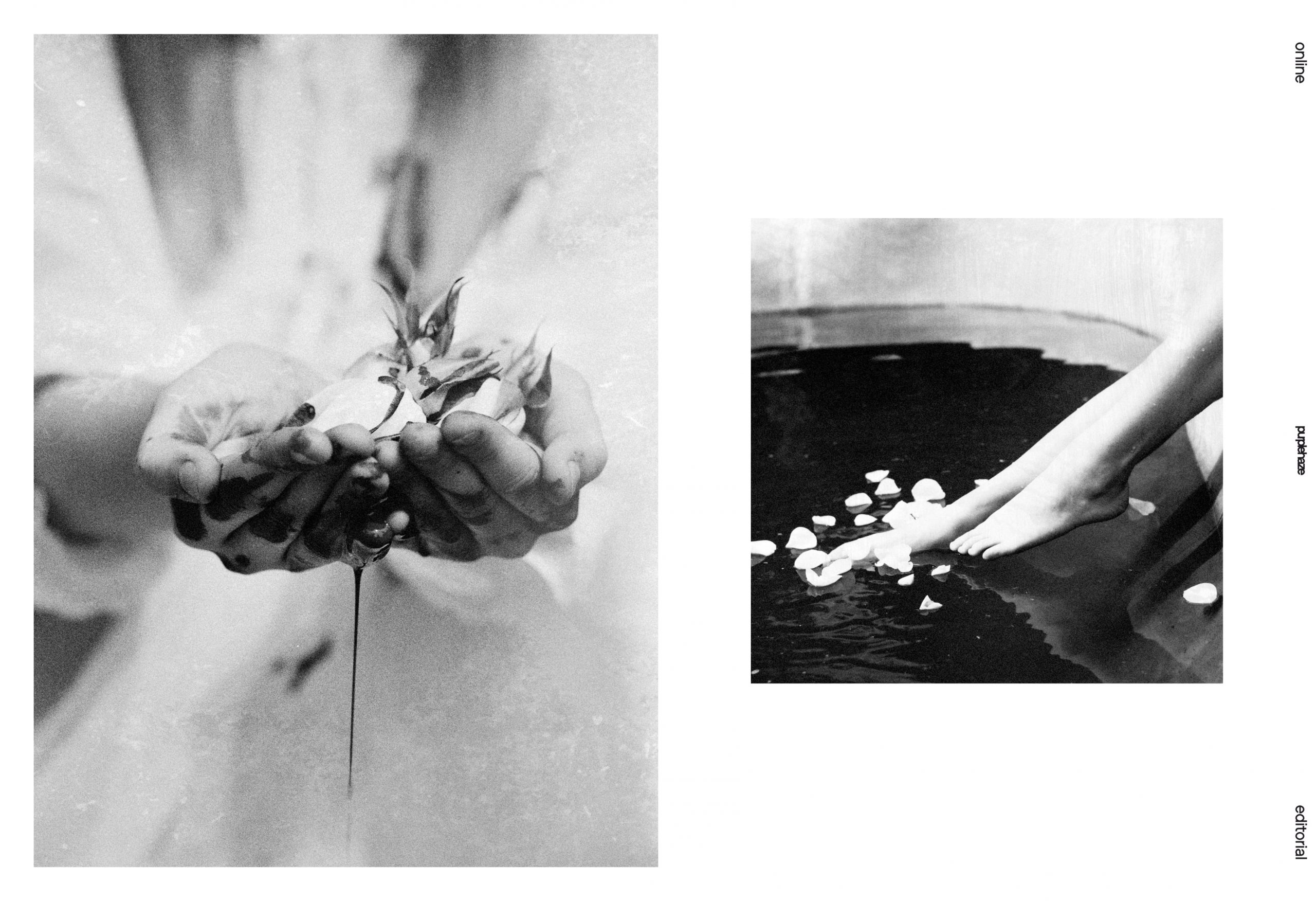
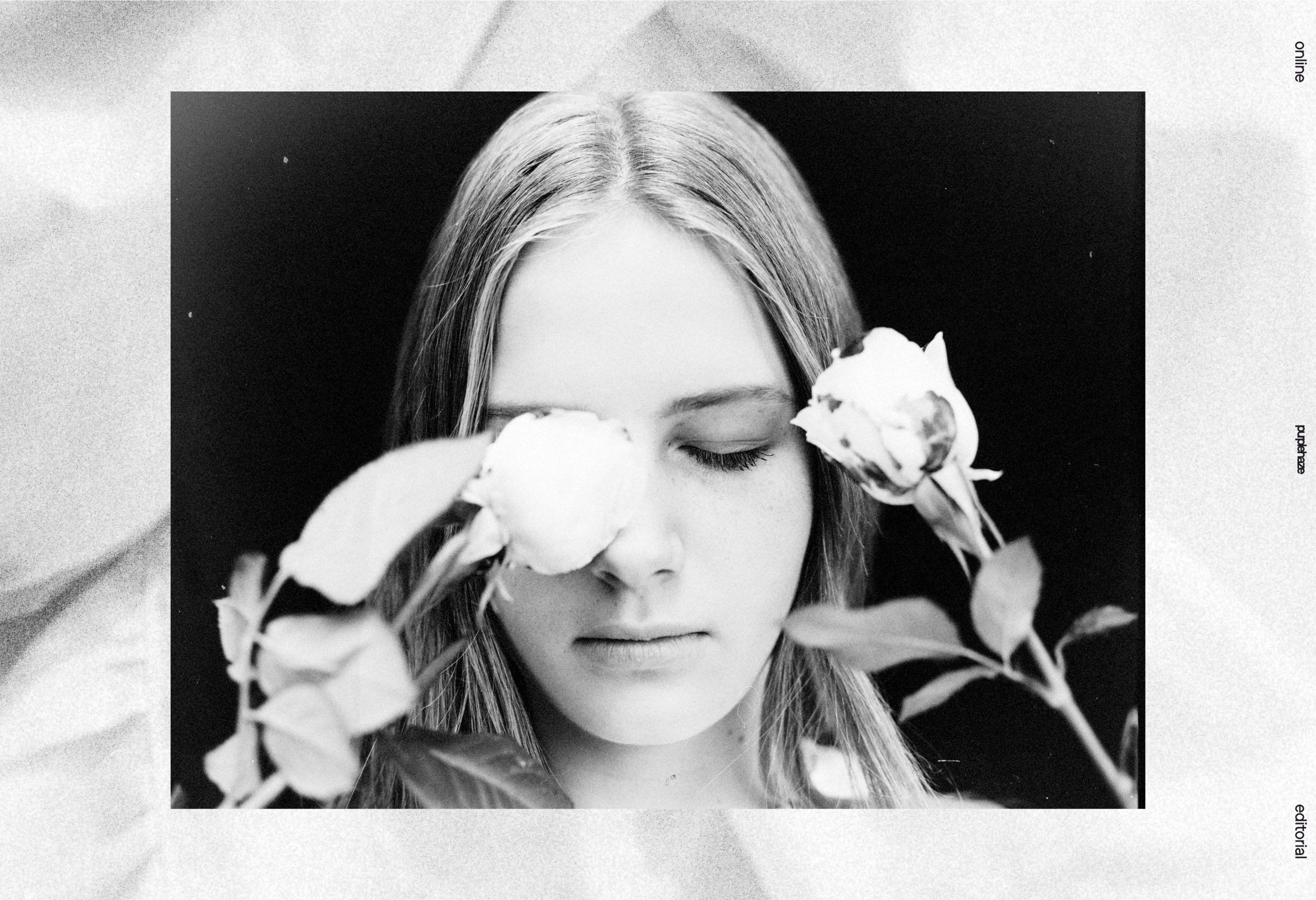
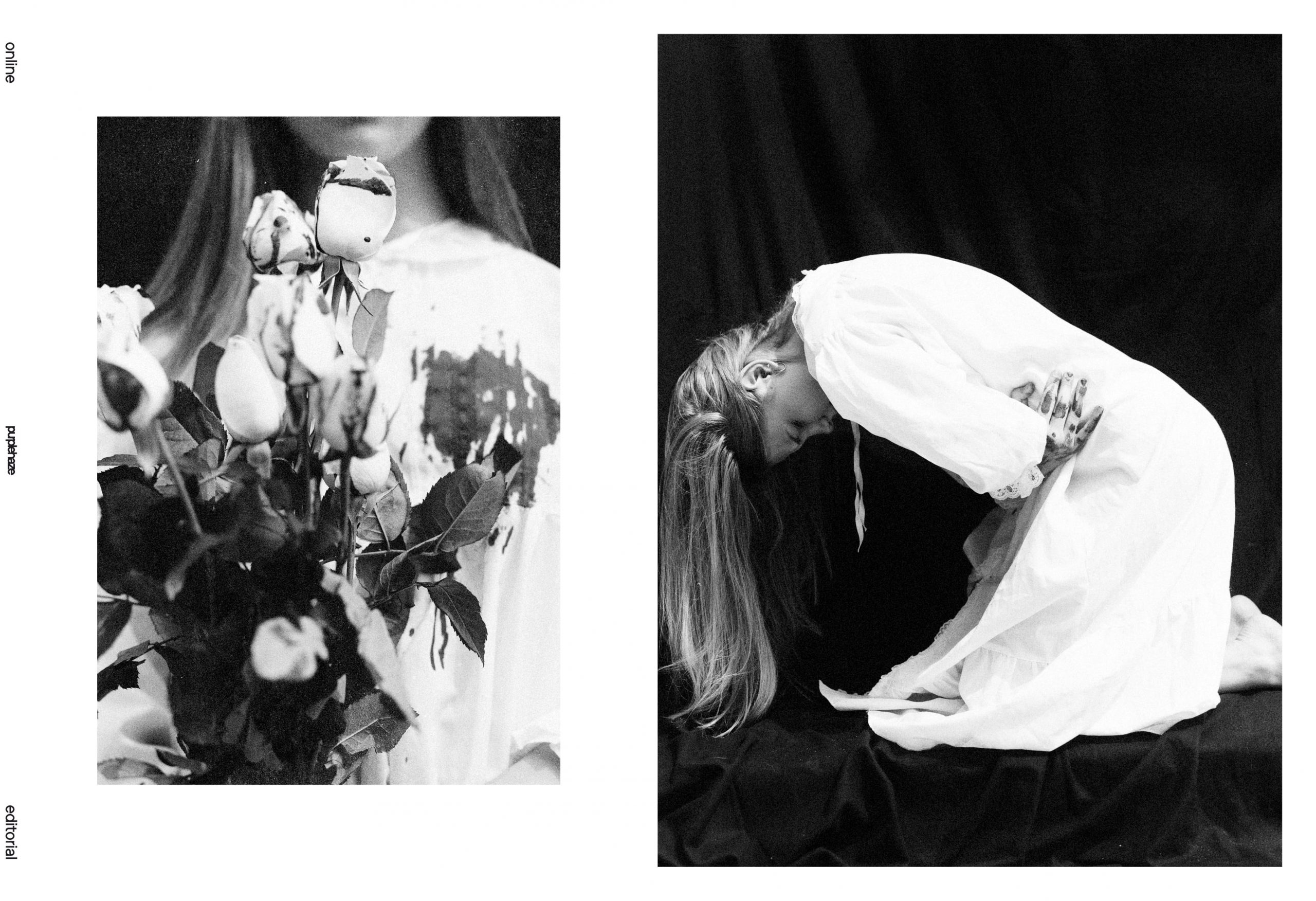
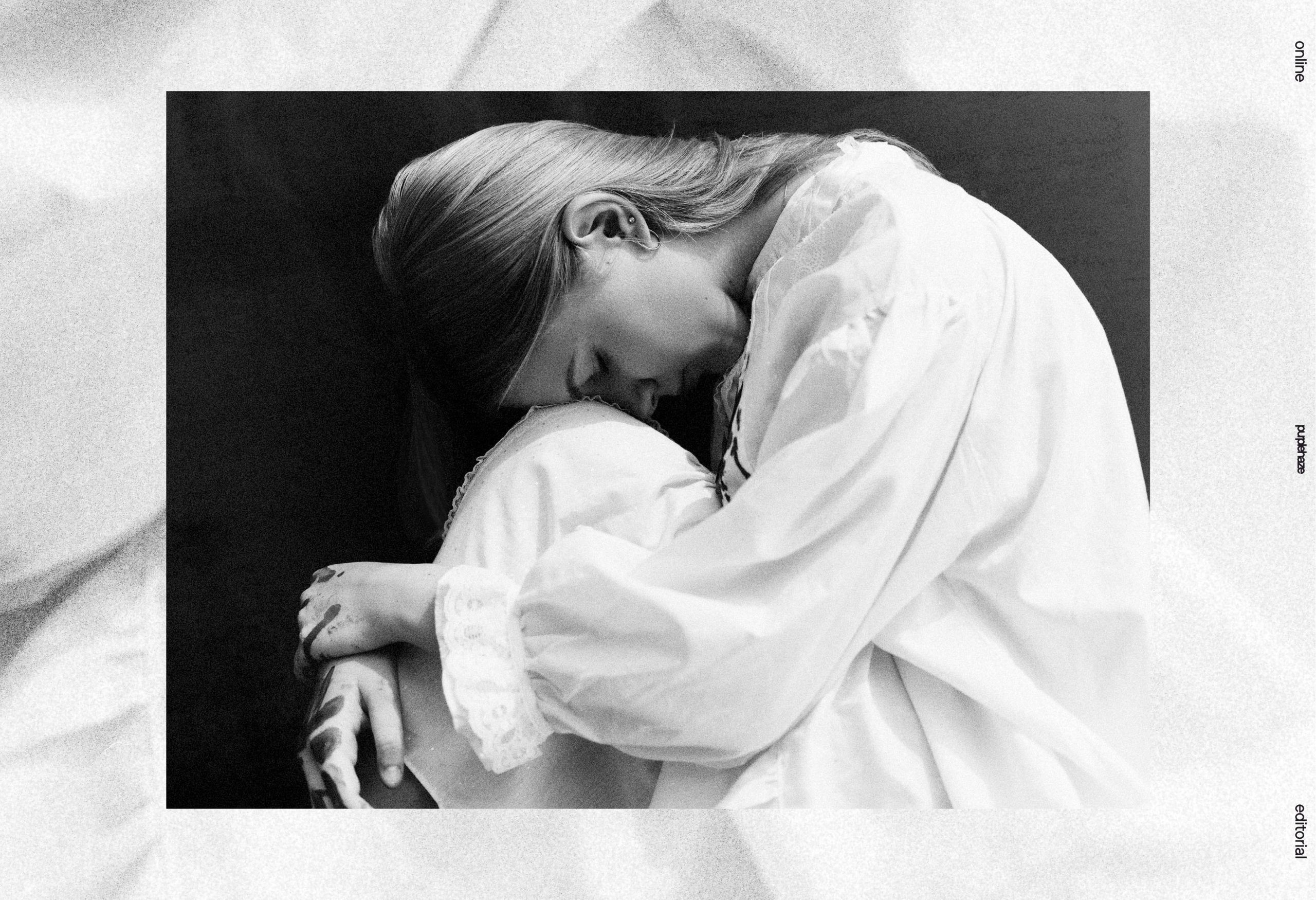
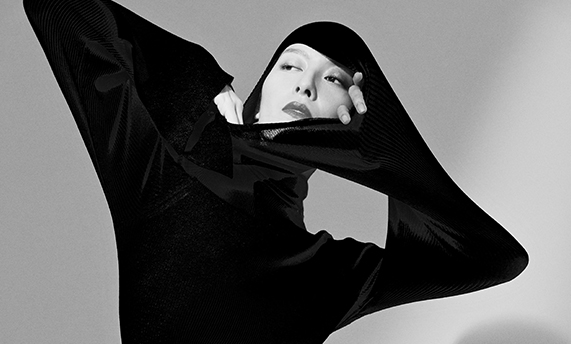
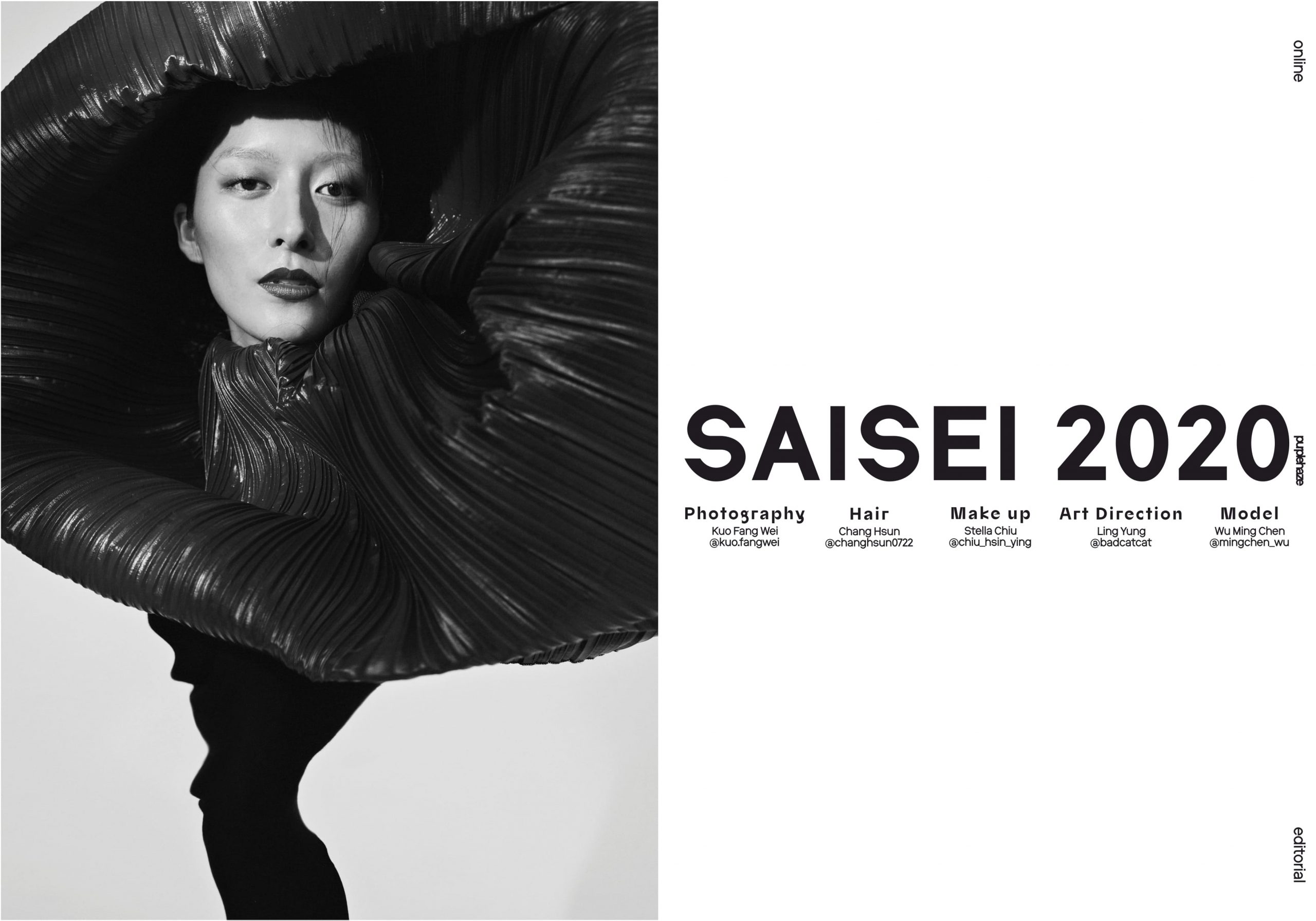
Photography / Kuo Fang Wei @kuo.fangwei
Art Direction / Ling Yung @badcatcat
Make up / Stella Chiu @chiu_hsin_ying
Hair / Chang Hsun @changhsun0722
Model / Wu Ming Chen @mingchen_wu

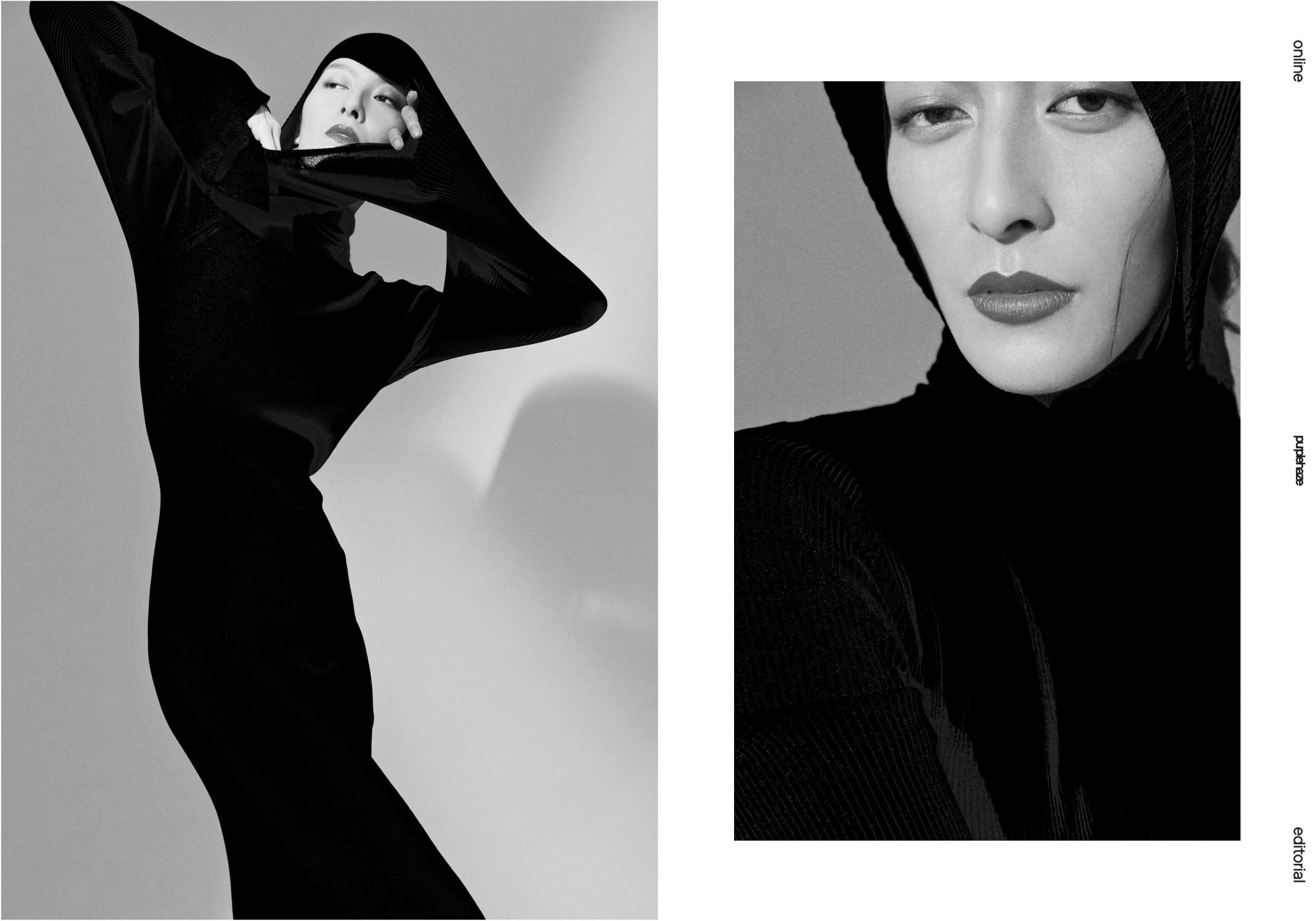
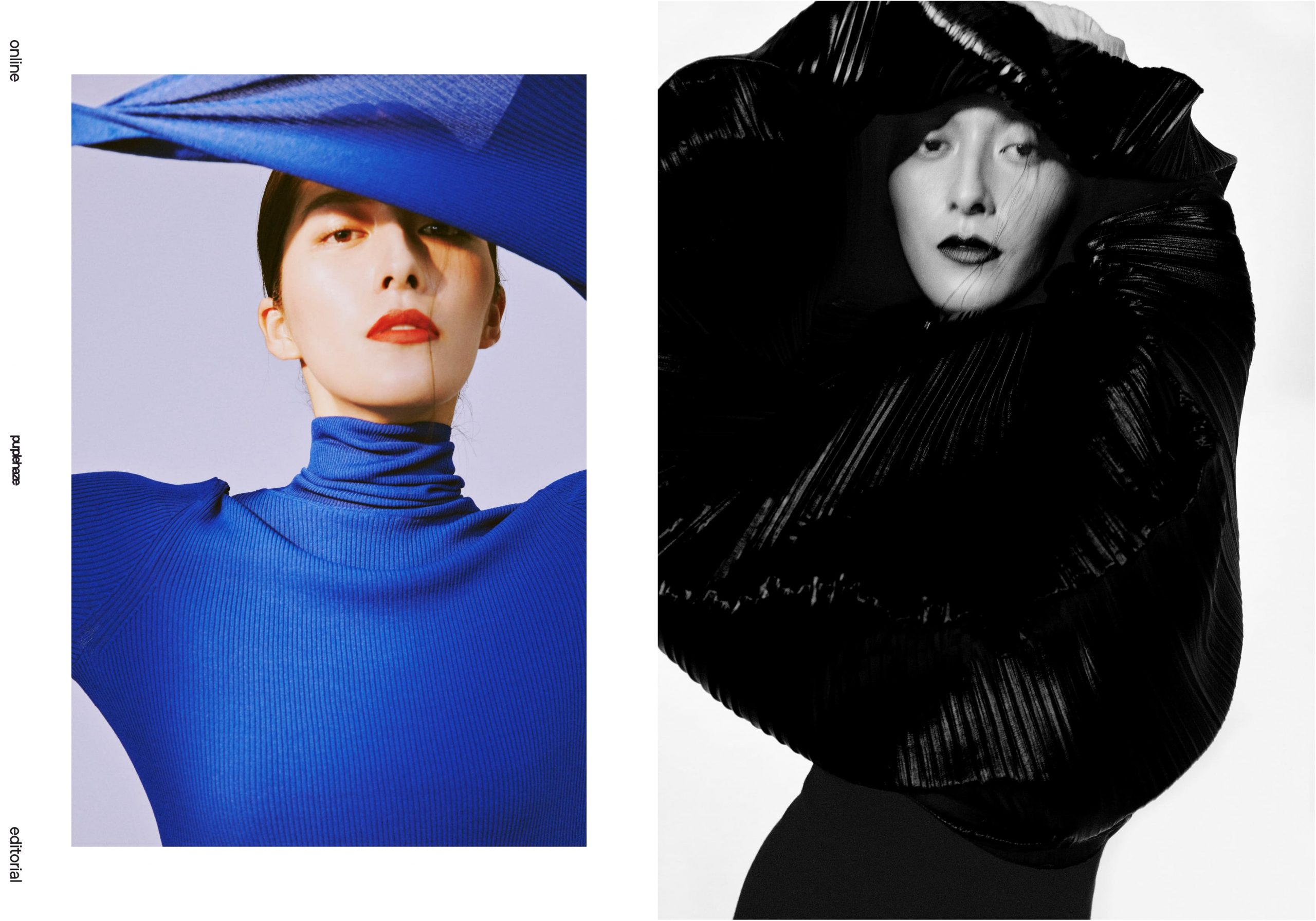
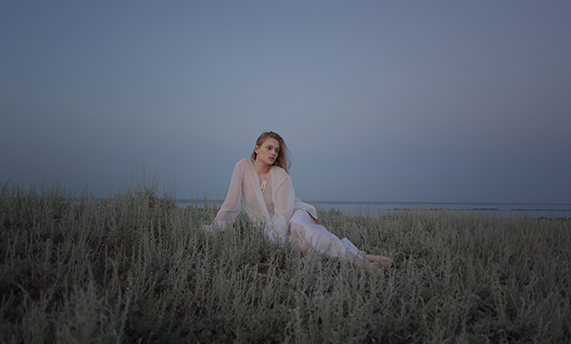
Now, something incredible is happening in the world, something we don’t like. I wanted to show a fearless spirit that has nothing to lose, desperately brave. My photography is The symbol is not a reconciliation of events that we do not like. We are capable of fighting.
Courage – mean stop tolerate.
The time is always right to do what’s right.
Photo: Inna Mosina @inna_mosina_arts
Model: @altalennn
Dress: Irina Ivanova @irrrrkka
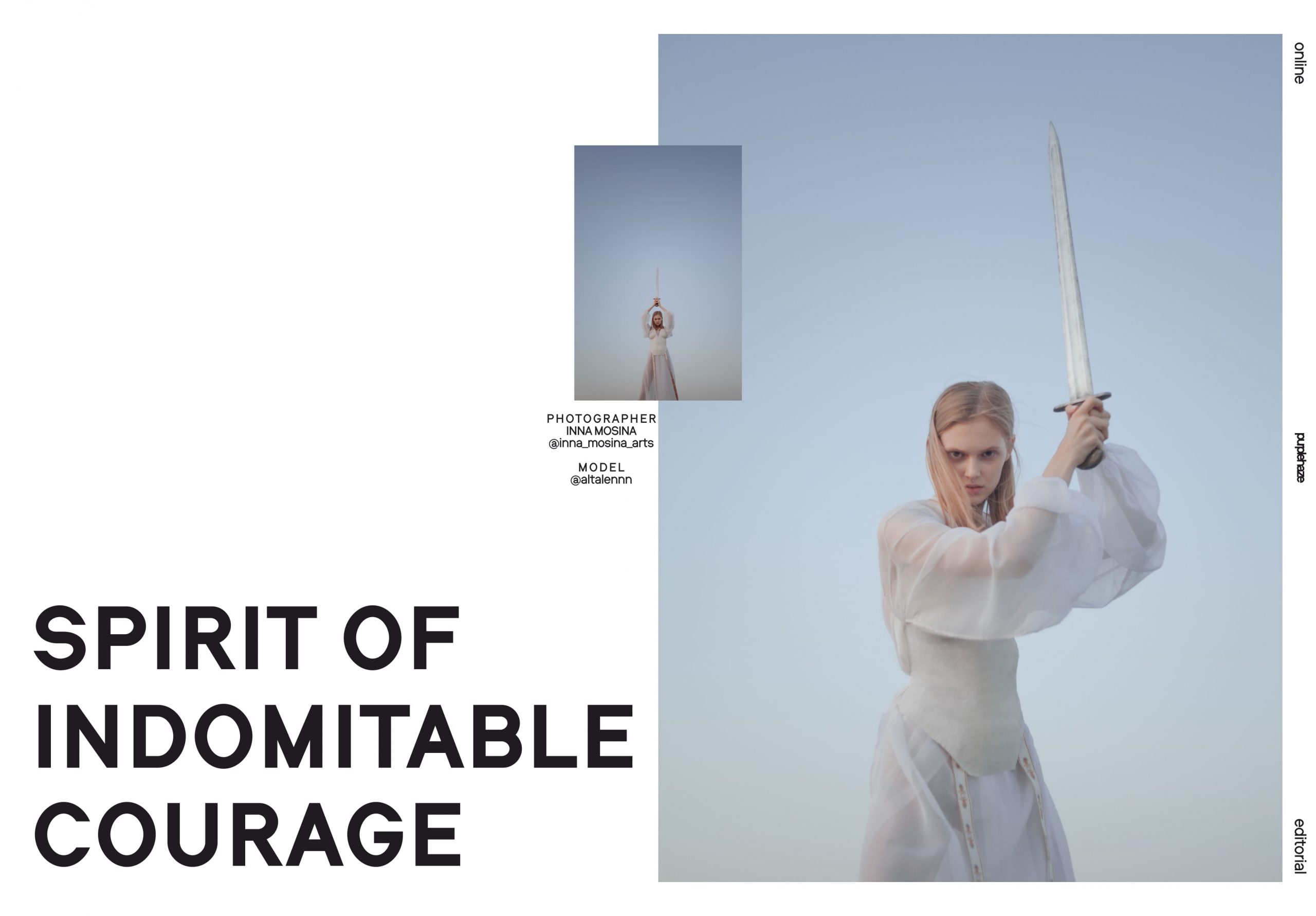
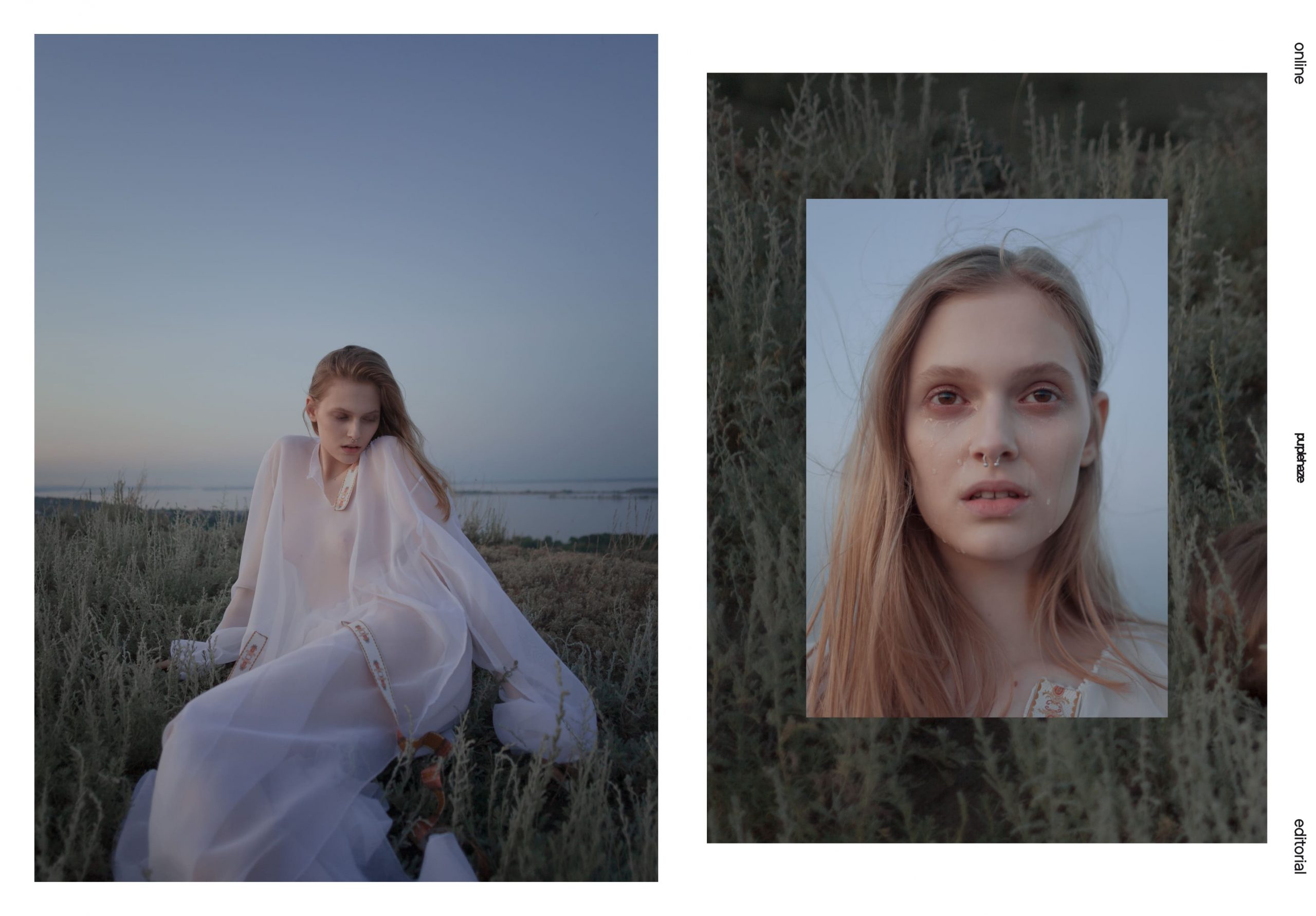
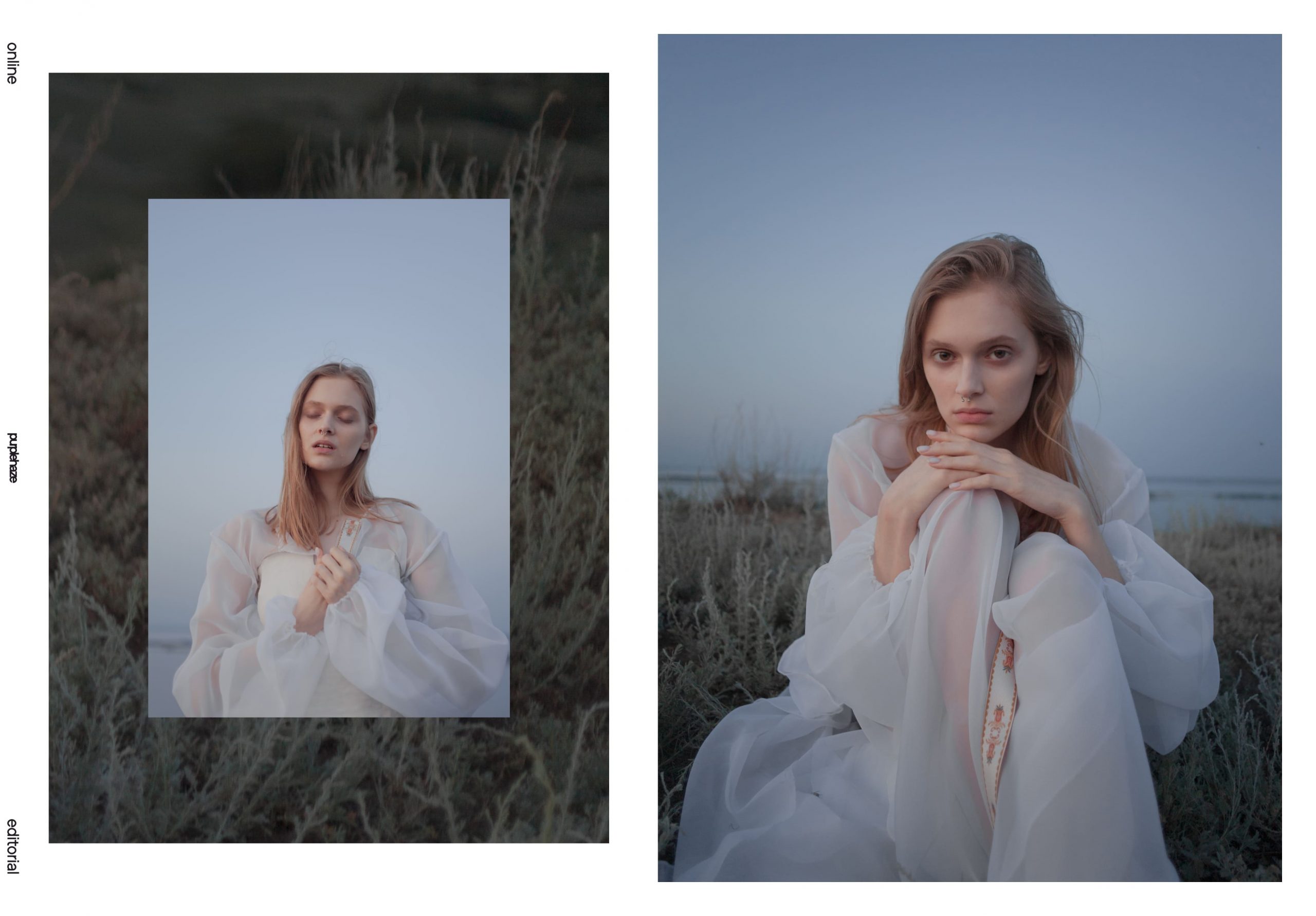
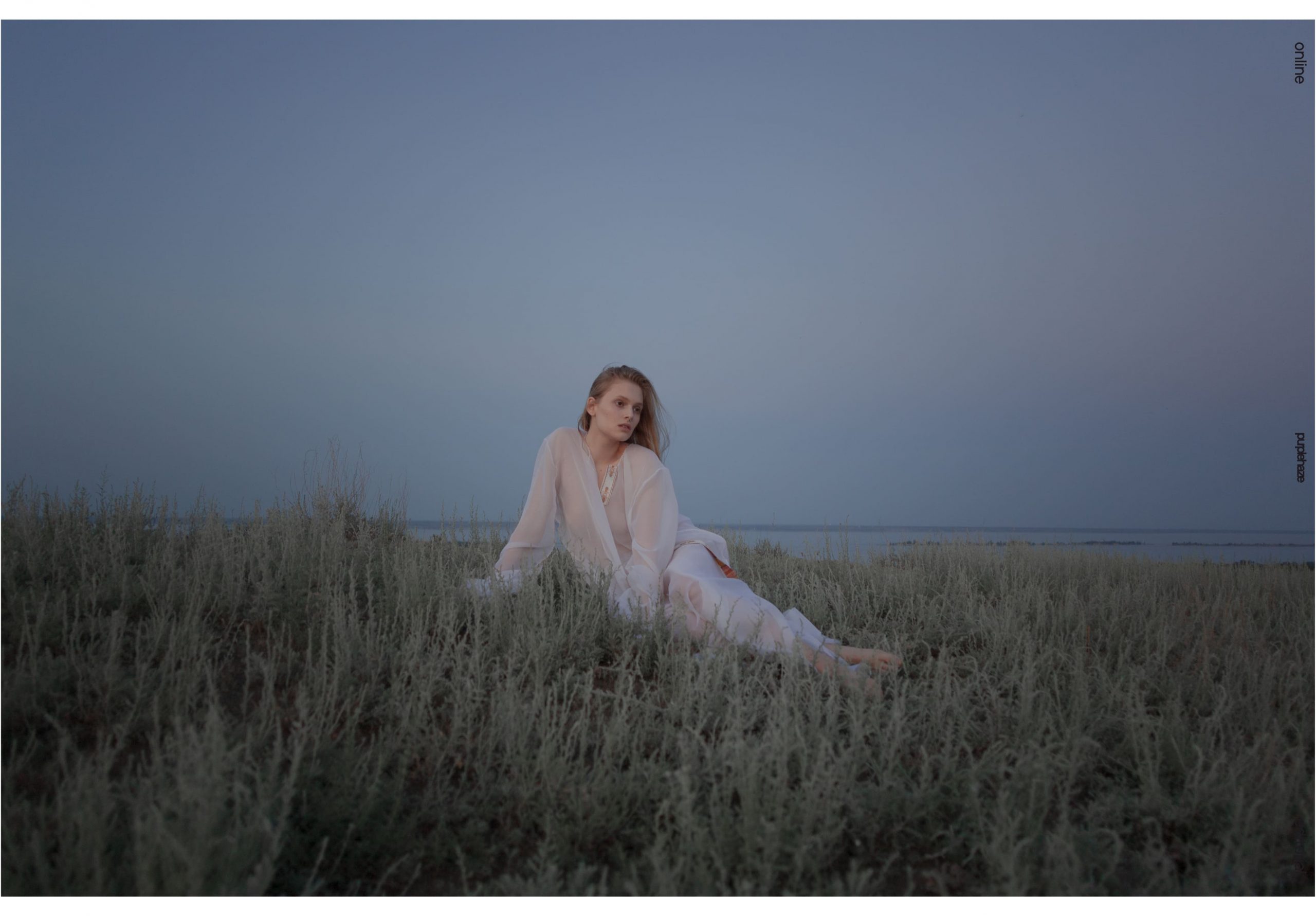
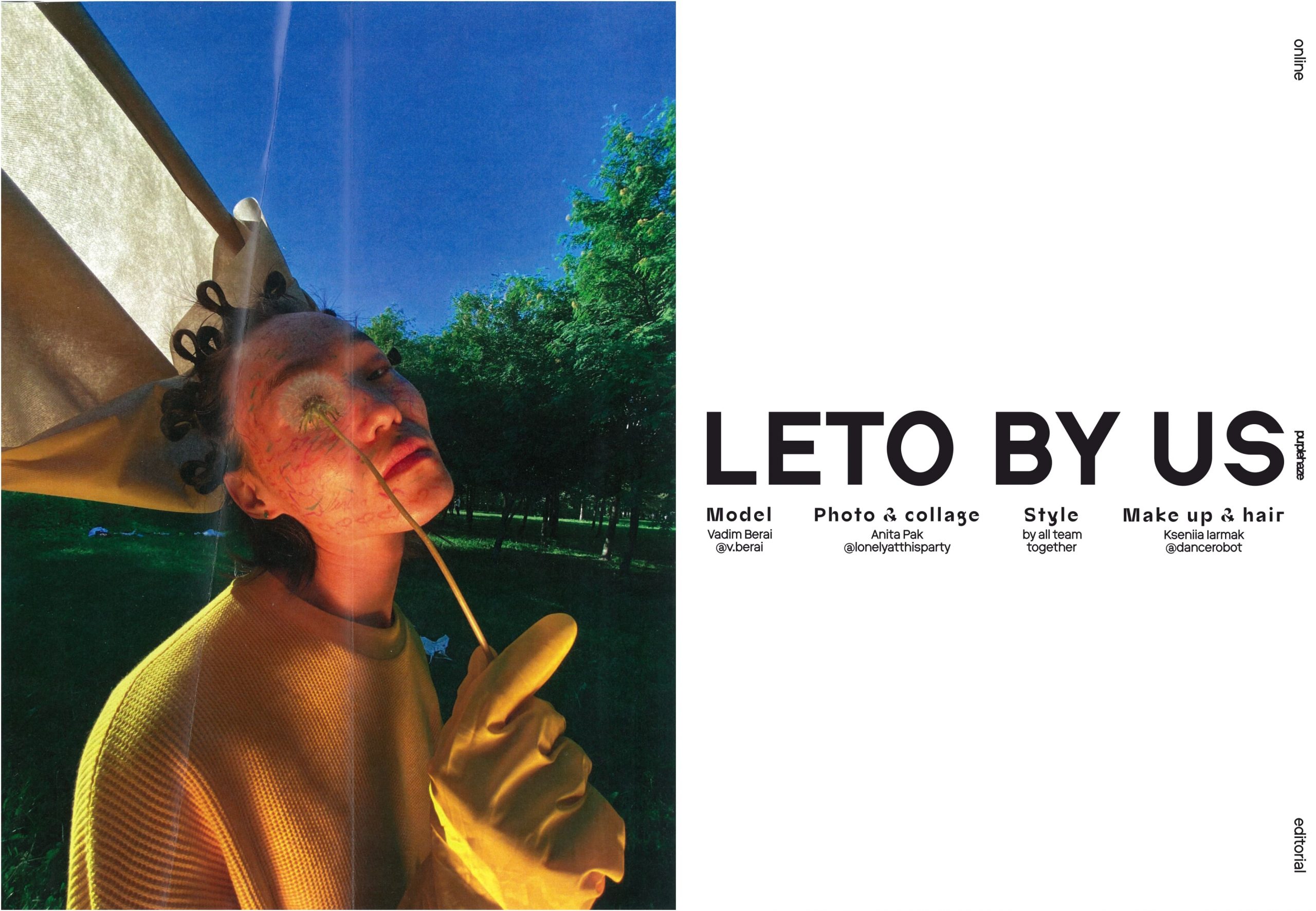
Photo & collage: Anita Pak @lonelyatthisparty
Model: Vadim Berai @v.berai
Make up & hair: Kseniia Iarmak @dancerobot
Style by all team together!


Text
K o p y r n o v a I n n a
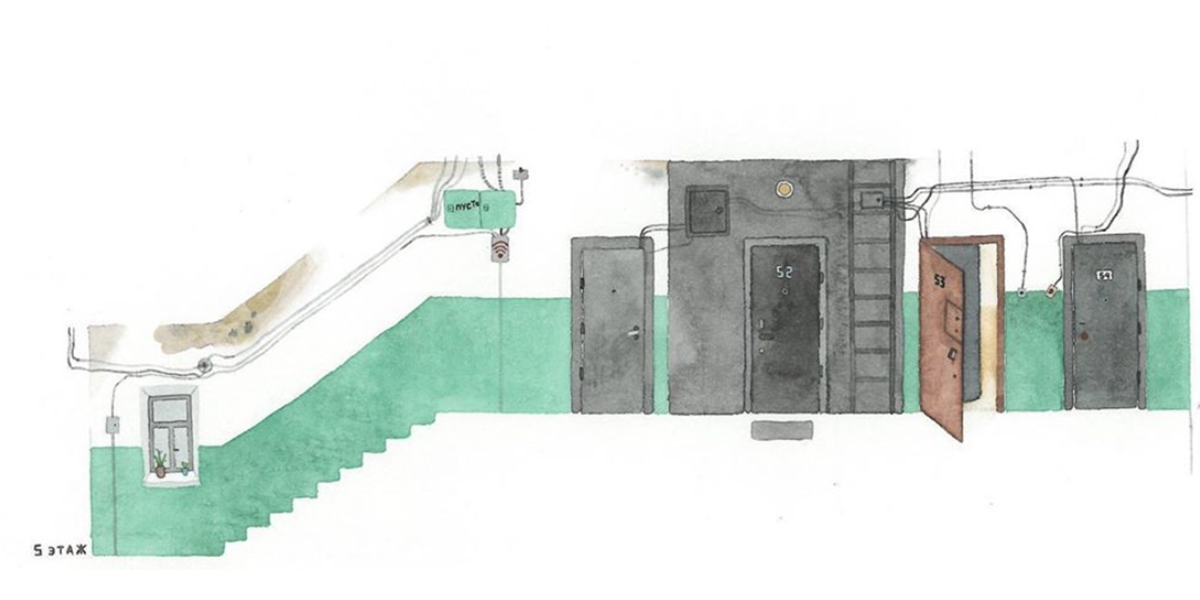
Asya Marakulina was born in Perm, Russia. She lives and works in Saint Petersburg. Russian journalists marked Asya as the “Turgenev’s girl of Petersburg art” and the “hope of Russian contemporary art”. So, we decided to talk with Asya about how convenient or not can be a life of the contemporary artist in Russia.
About first exhibitions in Perm and Saint Petersburg
I started exhibiting when I was still living in my hometown. At that time, I was studying in an art studio and we organized exhibitions for various holiday fairs. After that, I had a long period of moving to St. Petersburg and time to join the student body. At the University, I received a classical art education: painting, drawing, and so on – at the same time I was engaged in creative work. I studied at the school of a young artist “ProArte“. This fund was created specifically for children who want to develop in the field of contemporary art. My first exhibition was held in the Peter and Paul fortress in 2014. Then I returned from a residence in Belgium and used the collected material this way. This was the first conscious display.
It was from this residence that I began to get to know the foreign art space. At the time, I didn’t know what I am involving myself in. I even went to Belgium more out of curiosity and interest in travelling. Before that, I only travelled inside Russia. After that, I soon went to a residence in Norway and then participated in a group exhibition in New York. There were artists from the Urals and from Brooklyn. Now it is even difficult to remember the complex concept of how it all was interconnected. My curator who now works at the Yeltsin centre in St. Petersburg called me there. Usually, I participate in foreign exhibitions at the invitation of my friends from Russia – this was the case with New York, then with Stockholm, and with Texas. My experience of working abroad is not quite big.
About attachment to a place
I have a workshop in St. Petersburg, and there I can be alone without any noise – write texts, think, create. I spend most of my time in the workshop.
I am also coupled to Russia – all the projects that I have done in residences are somehow linked to the local context. It is much easier and more interesting for me to work when I am immersed in the language, visual, and cultural environment. For example, in France, I worked with difficulties in translating and understanding a foreign language in Russian. Of course, a new place gives you a lot of new information, a new material that you can’t ignore. But at the same time, you analyze your personal baggage, already collected at home. The Russian reality certainly affects me a lot – I live here.
About moving to another country
The idea of moving is always present. Especially when I’m abroad, comparing and trying on other locations. I want to study somewhere else, but now I’m not ready to move to another country – it takes a lot of energy. I lived 3 months in France and realized that if you move there, you need to absolutely start everything from scratch. I’m a stranger there. I don’t want to spend time adapting to a new social space now – I want to work. I have projects that need to be done now – maybe a little later they will no longer be relevant to me.
About the advantages and disadvantages of Russia for the artist
In Russia, an uncomfortable environment is not only for an artist but for any person of any profession. It is aggressive for pensioners, artists, doctors and businessmen. There is strong resistance to material and society. But at the same time, you can do things in Russia that you can’t afford in other countries. At home, I can rent any space and work there. In Germany, for example, it is much more difficult to do this – there is too strong and complex social and economic structure.
There are pros and cons everywhere. In Europe, there are more opportunities and space for the artist – almost every house has two galleries in Paris, but in my city, there are only 3 of them and everyone is chasing them. On the other hand, when I was in Switzerland, I could not understand how artists find themes for projects in such comfortable conditions. There are no “rough edges”. I need irritants and inconsistencies for my work. Since many foreign artists grow up in a different environment, the focus is set on other things, and the art is completely different. It might be difficult for me to change my mind.
About the news agenda in Russia
Every time I open the news, it seems to me that this is the limit of senility. A little later, I open it again, and I realize – no, it can go even further. The current absurdity sometimes makes you speechless.
How the government helps artists
I have a feeling that the projects that are sponsored and supported by government structures are most often of an ideological and patriotic nature. In Russia, everything is not so smooth with modern visual culture. It seems to me that civil servants do not have an as well developed taste as we would like – there is no sensitivity to different forms and meanings. It is difficult for an artist to be seen and heard. I limit myself from such cooperation.
In Russia, the attitude to culture has been built up as something marginal. There is a constant cultural barrier between the artist and the rest of society. At the same time, there is a lot of material for criticism – unfairness that can be reflected.
About politicization of art
I don’t work with politics in my art, but it’s not an intentional choice. My strength lies elsewhere. We must remember that an artist is not only a citizen of his country. He lives, feels, and is tormented by existential questions. We cannot avoid themes of love, death, and emotions. The surrounding agenda only penetrates the mood and sometimes is expressed in increased anxiety. It is natural for me to find more universal images in this aggressive environment.
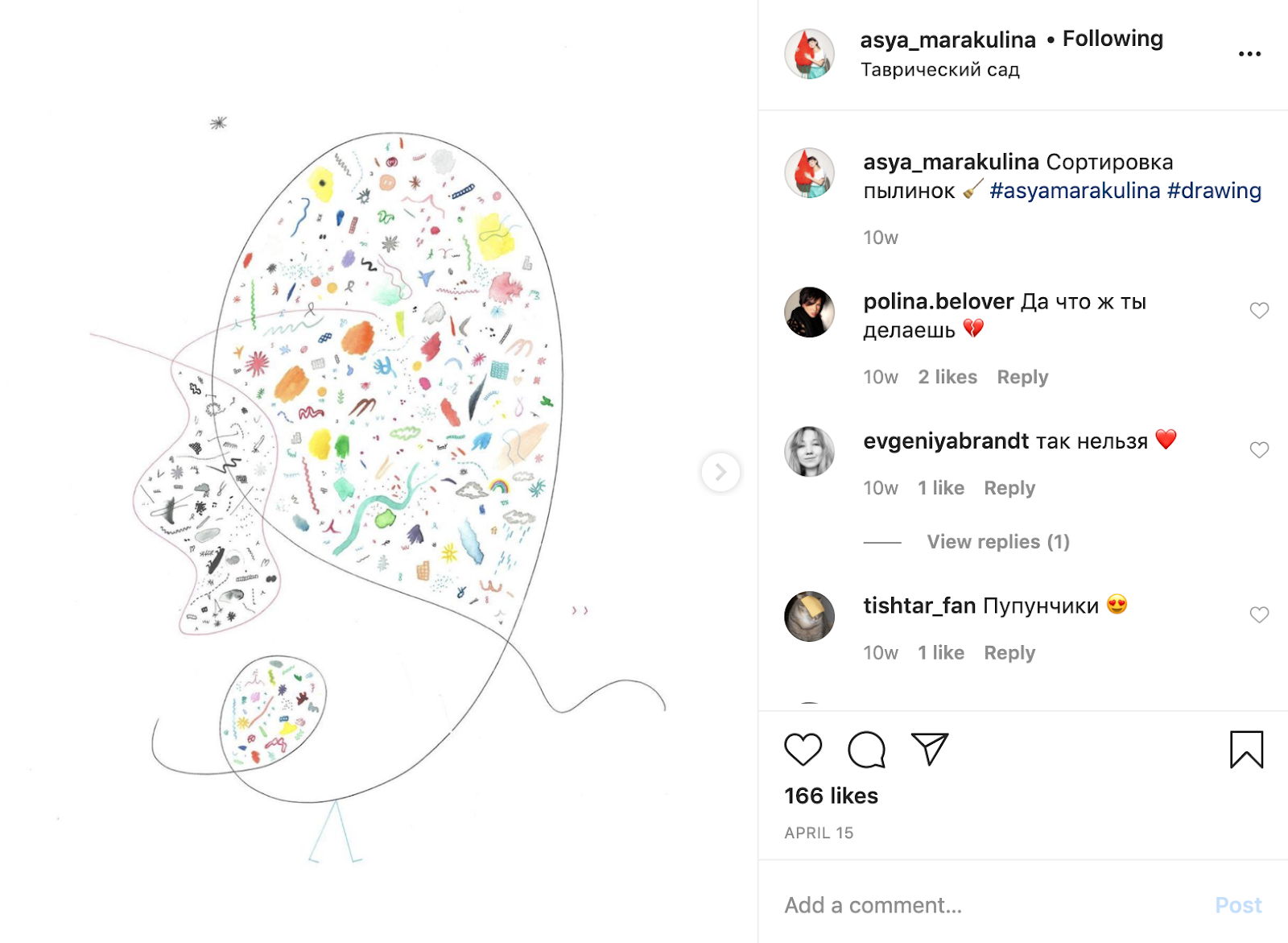
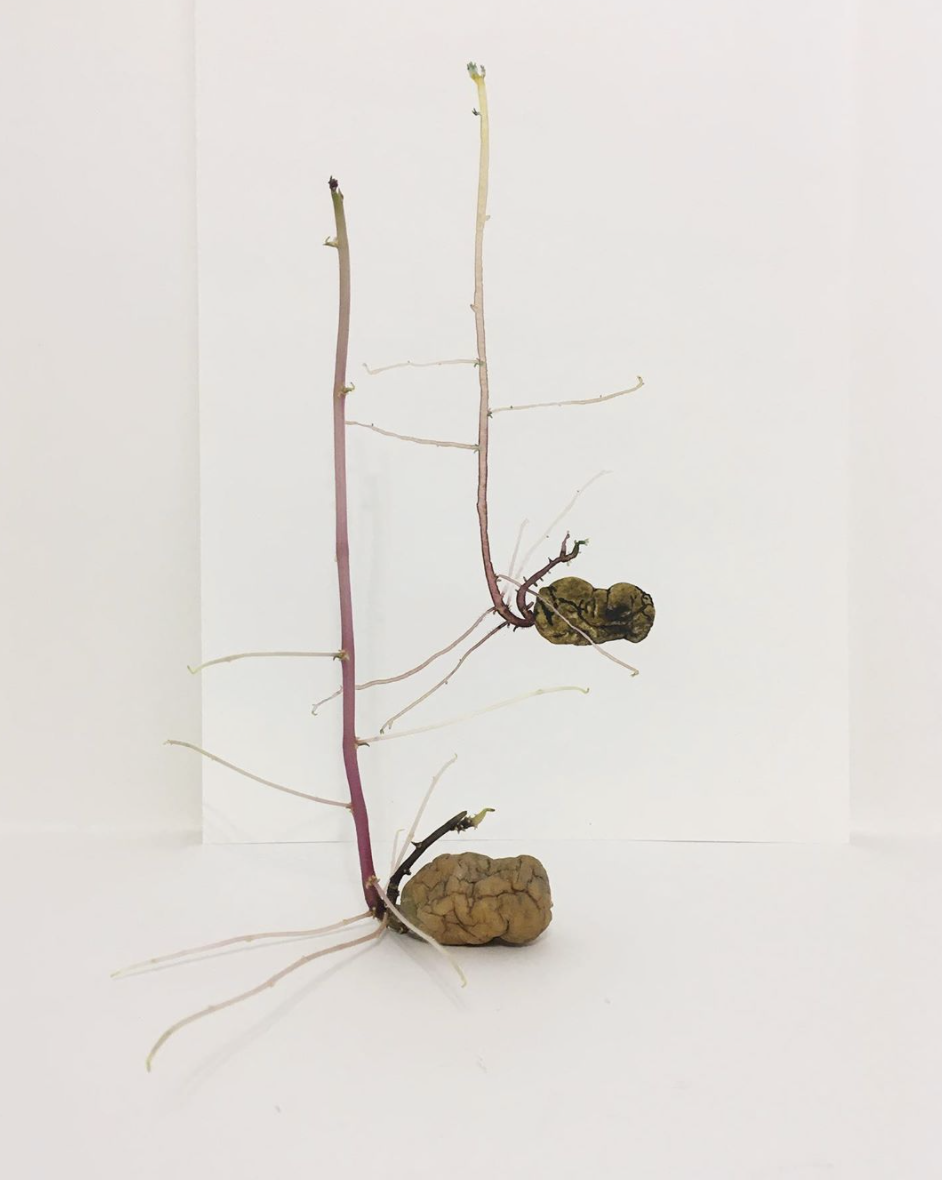
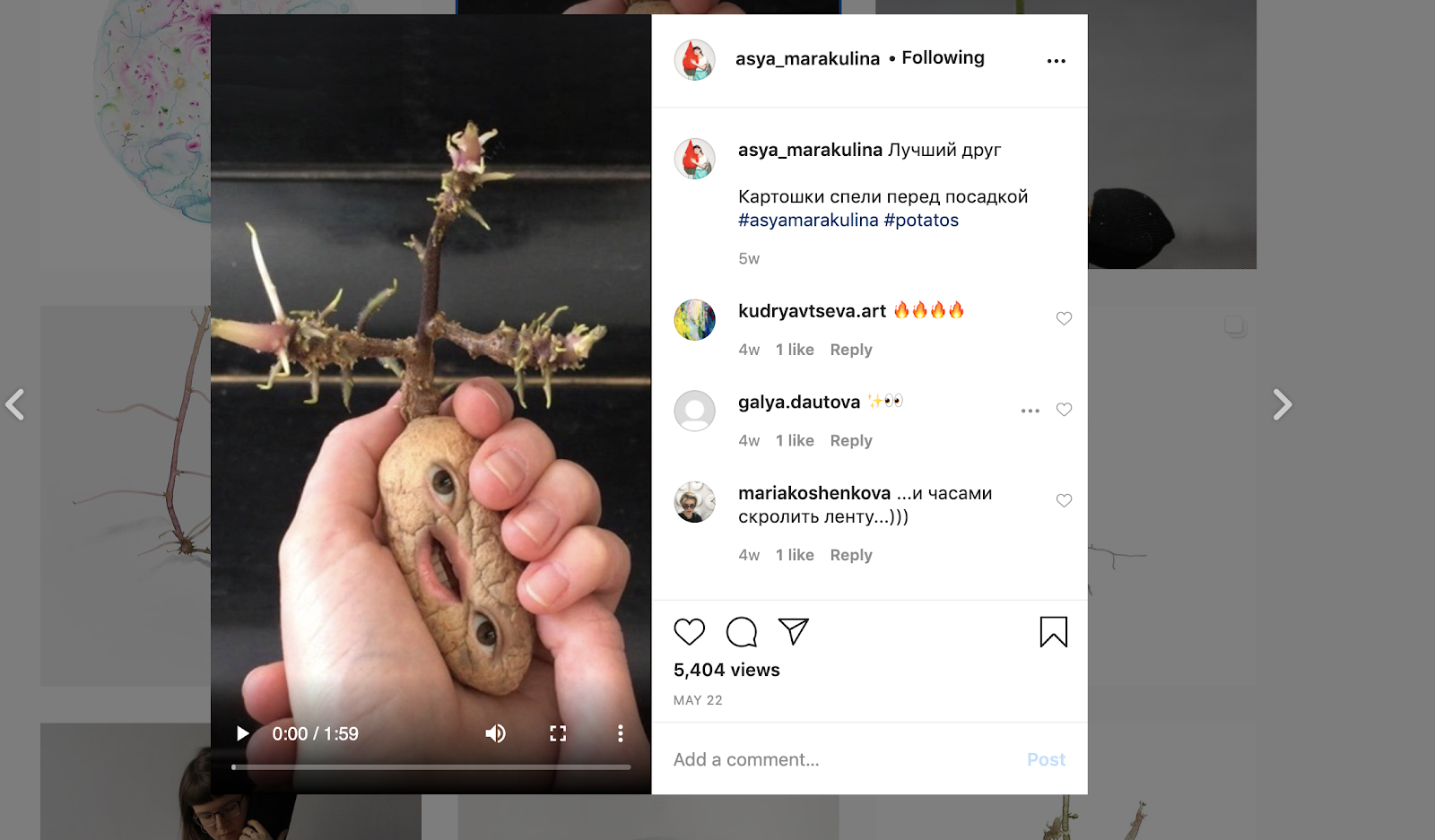
All of the images were taken from Asya’s Instagram profile.
Text
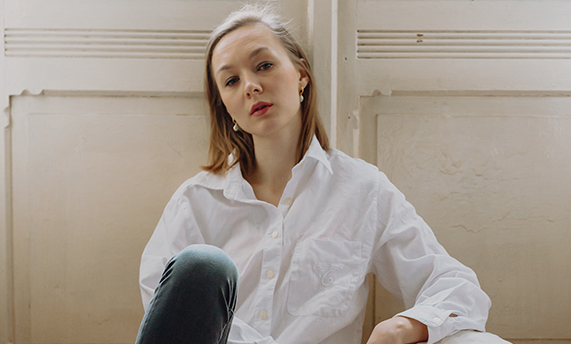
I r i n a R u s i n o v i c h
Tell us a bit about yourself, your background and your work
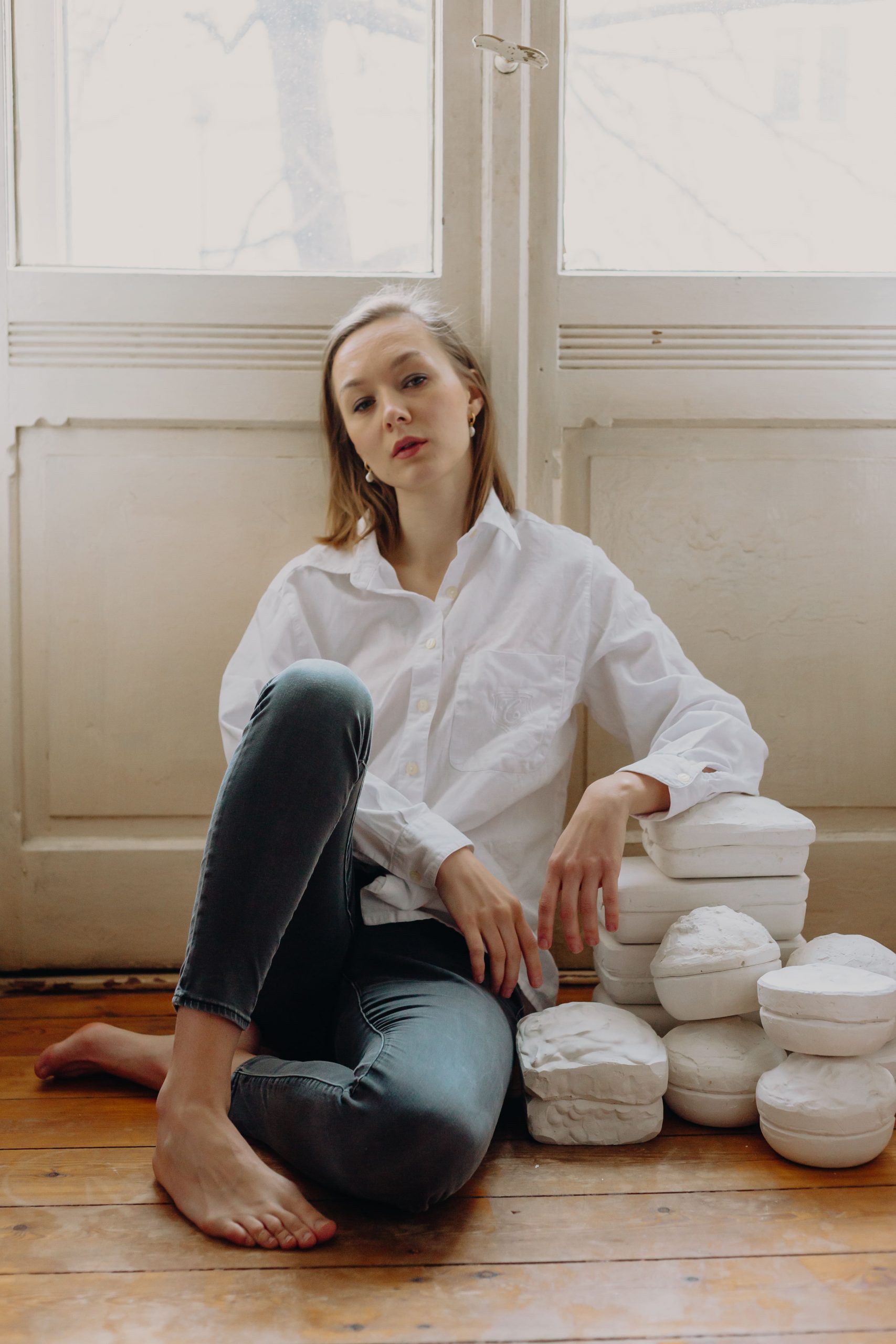
I am a visual artist, originally from Russia but currently live and work in Berlin.
I graduated from Moscow Stroganov Art Academy with major in Ceramic Art. After studying for 6 years, I felt creatively lost, because Russian artistic high education is very separated from the real situation in the contemporary art world. So, I decided that the best idea would be for me to move abroad and to start the next chapter of life in a new place where I have never been before, thus I moved to Warsaw, and then – Berlin. Now I am a full time artist, exhibiting and working locally and internationally.
What set you off as an artist?
I never saw other options for me in life to be honest. All my life I practice and study art. Nothing excites me more than when I express myself as an artist. I guess, it is my nature. Even though I tried to run my own art space project, to be an art manager in the gallery and to be an art teacher – I always feel that I am out of my element and I waste my time when I do something different from artworks.
Tell us about the themes you pursue in your work
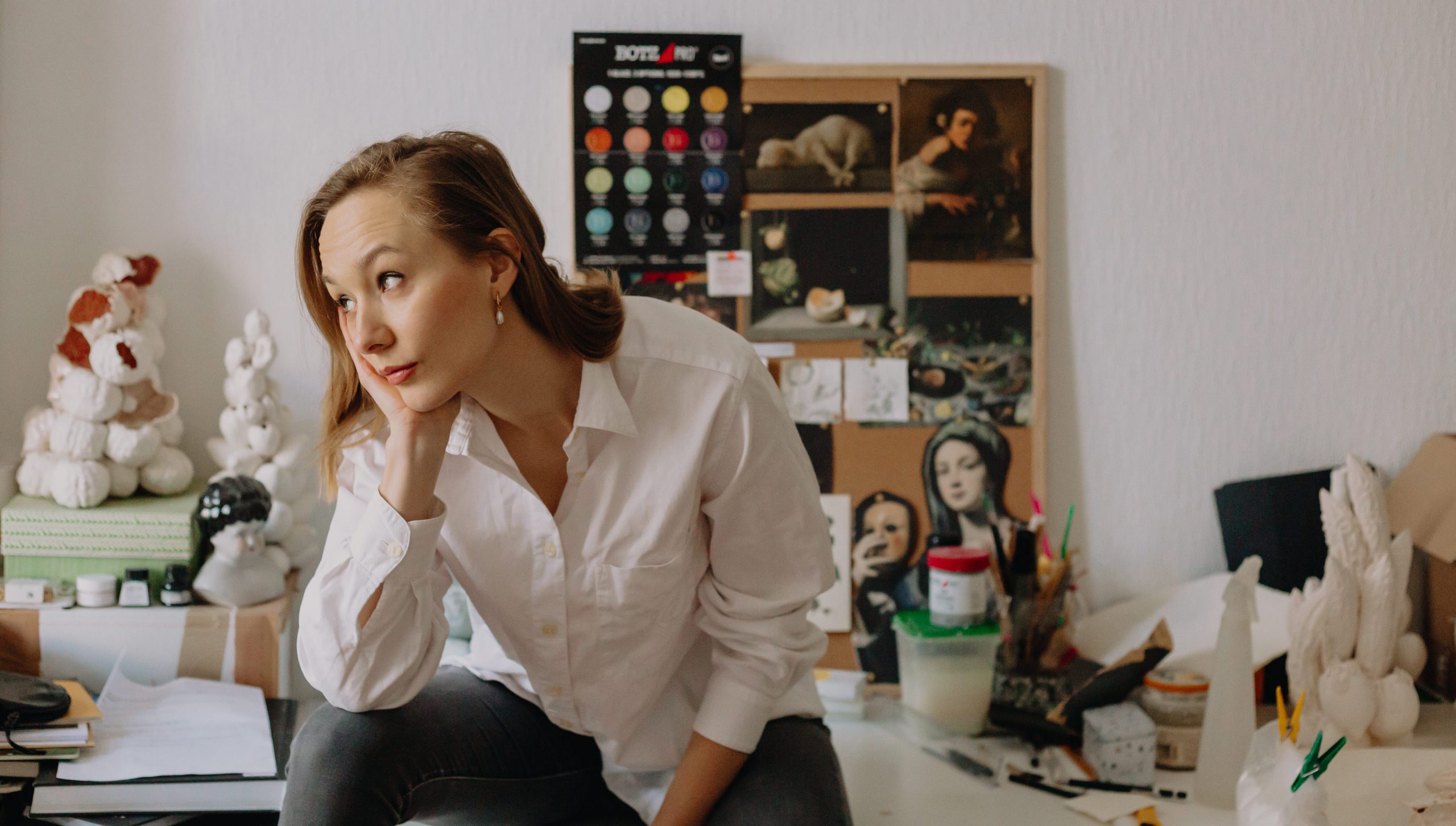
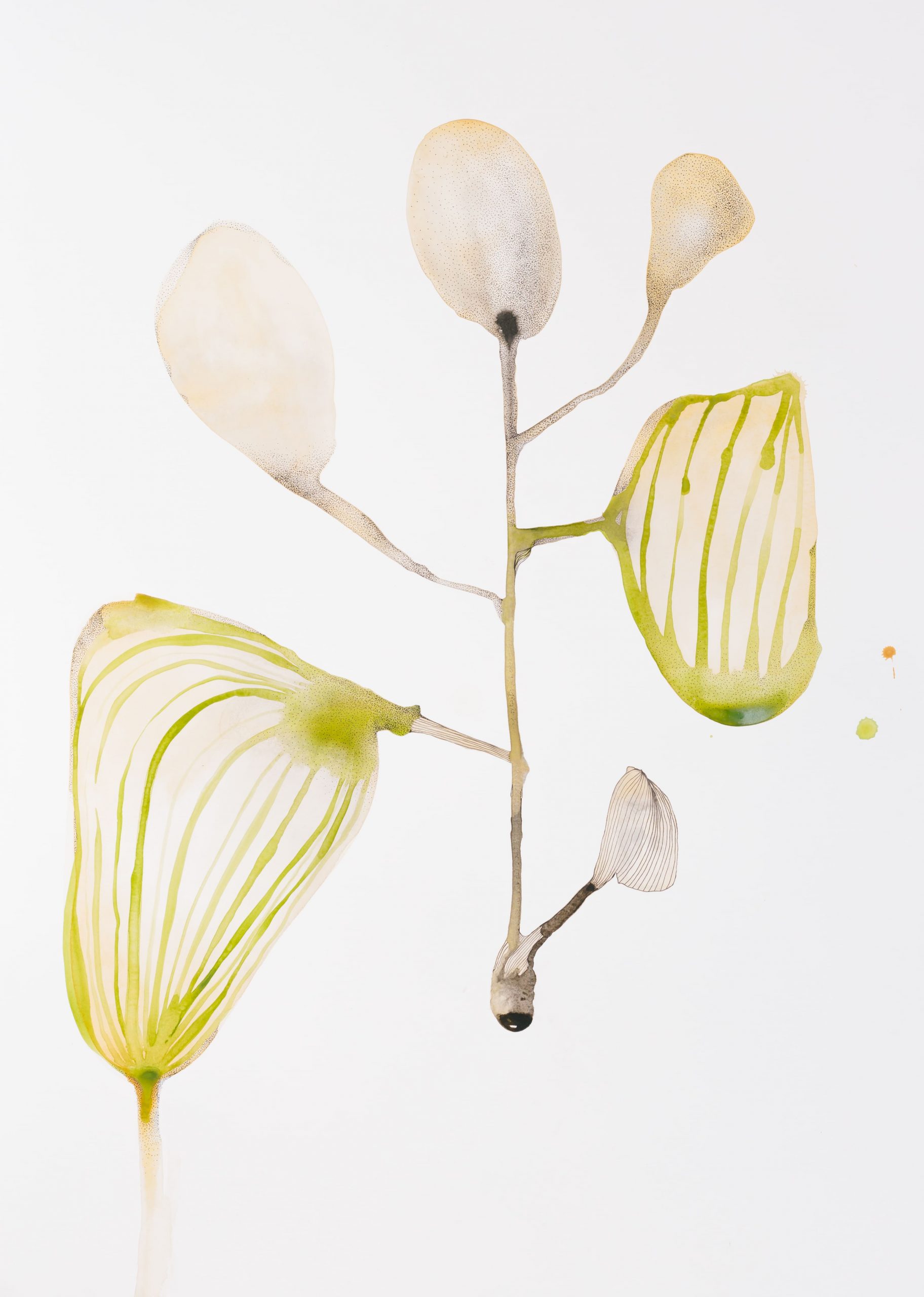
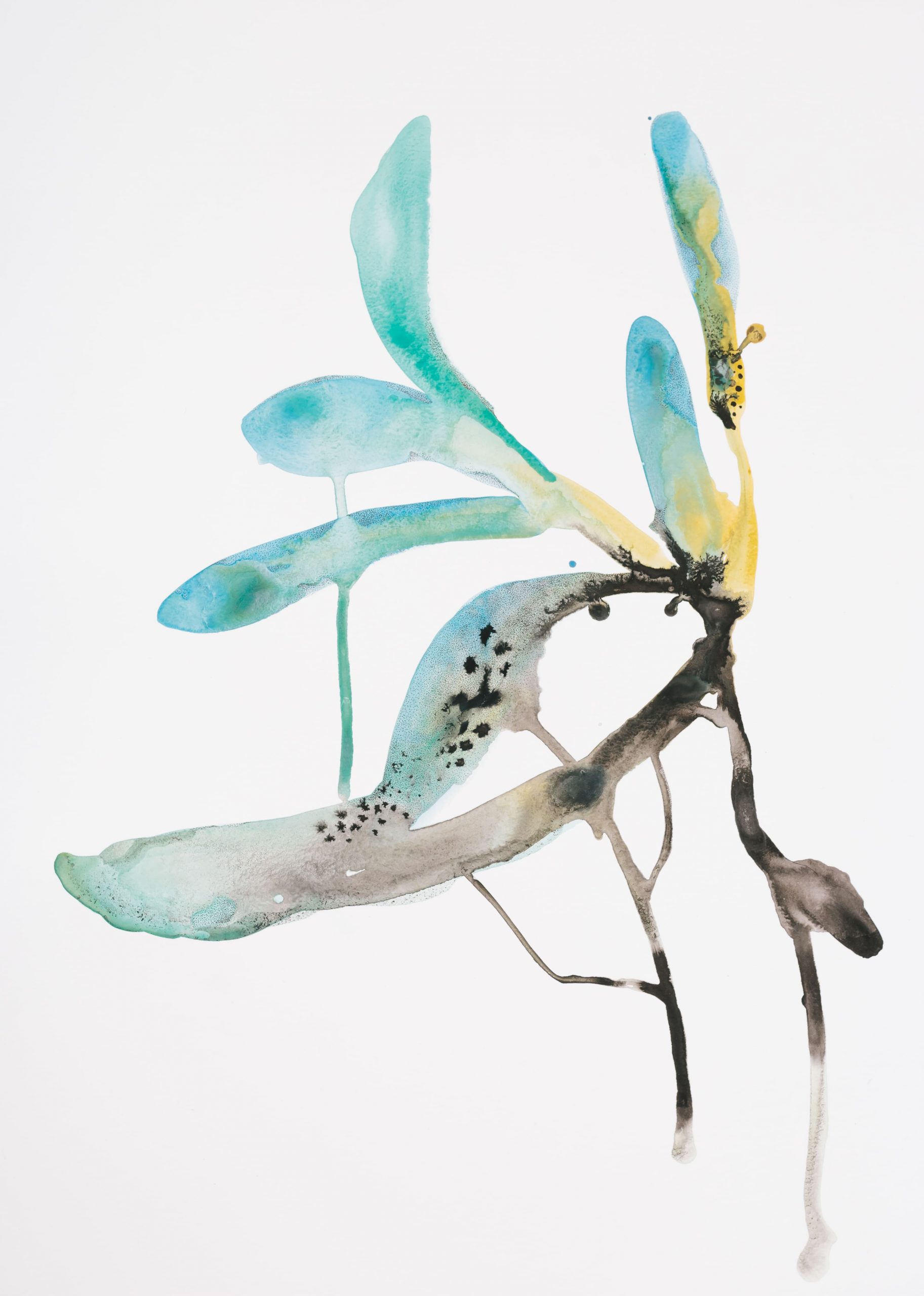
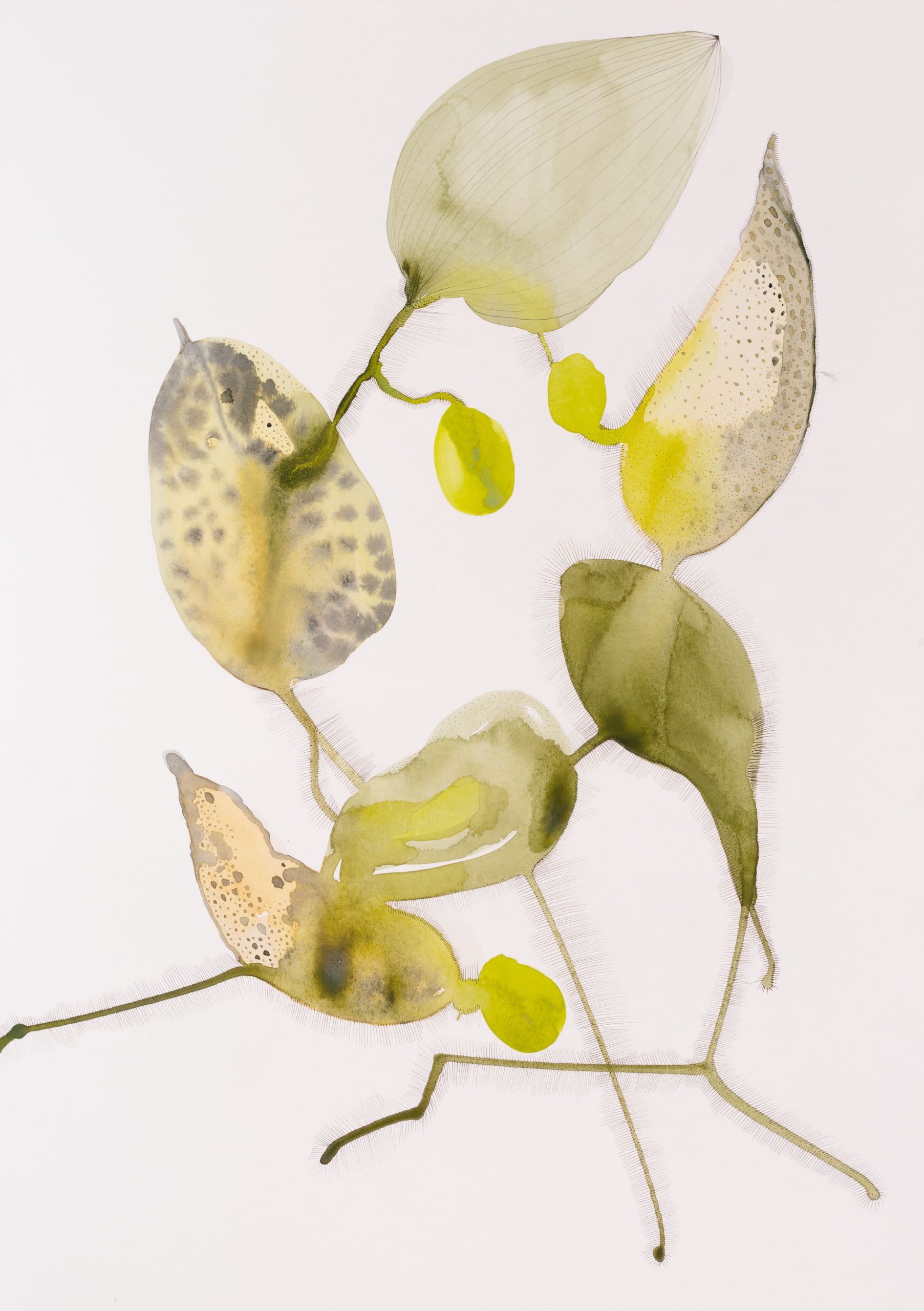
All my works derive from my fantasies about natural and organic beauty. I think that so much visual beauty and power is concentrated in simple, trivial objects such as apples, lemons, etc., that we get used not to notice, though they are always in front of us. Also, digging deeper into the topic of still lifes I was fascinated by how much meaning and symbolism fruits and vegetables carried in the past, in the Renaissance epoch, for example.
In my works, I often look for a balance between abstract forms and real natural objects. As I said before, I am highly attracted by pieces created by nature, and I play around with this existing beauty in my own way, creating my imaginary shapes – little biomorphic monuments. I also like the visual effect of repetitive forms and patterns, that is why all my works are made of repeated elements. For me is very important to leave a room for interpretation of my objects to the viewers, to give a chance to find their own meanings.
Is there something you couldn’t live without in your studio? what is your most essential tool?
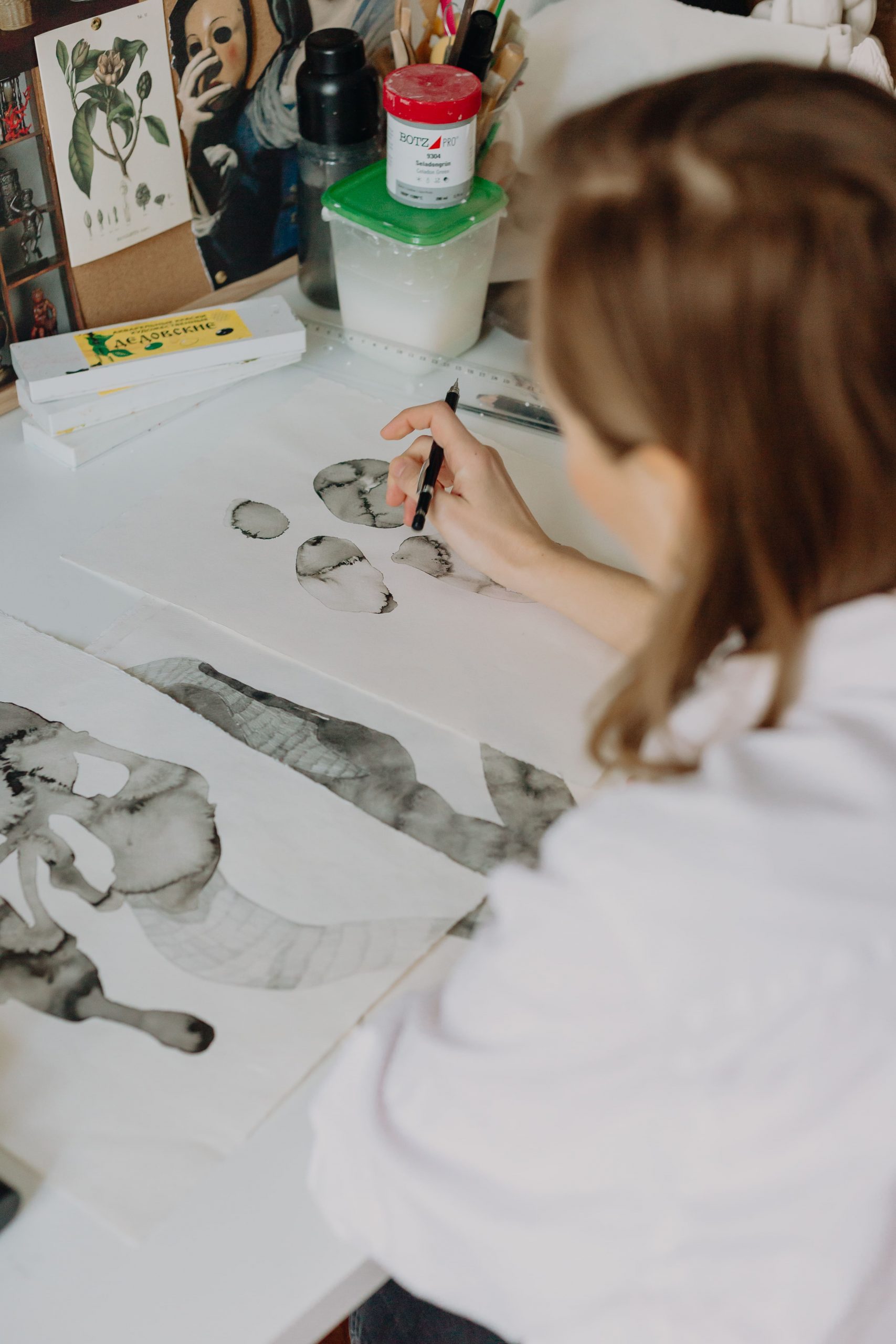
My studio is where my table is. It is the basic and the most sacred object for me in my studio. Not sure it can be considered as a tool actually, but it is the most essential element for me for sure.
Tell us how you organize, plan, and prioritize your work
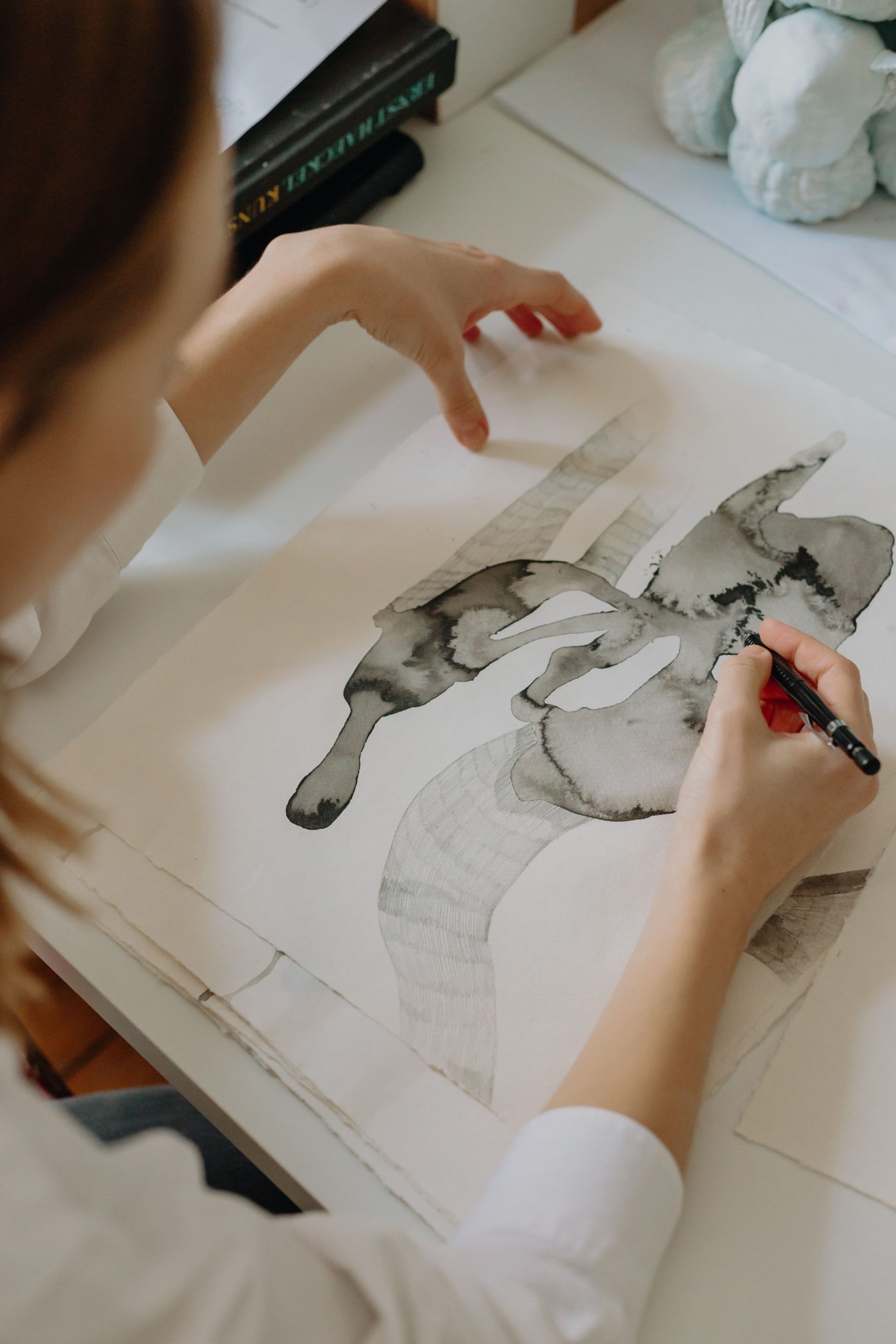
Working with porcelain implies a very high level of discipline and self organization. If there is a tiny bit of rush – everything goes wrong. That is why I always prepare myself mentally in advance for the new series of works and organize my schedule the way that nothing will disturb me and I will devote 100 % of my attention to work. It is like a retreat or meditation.
With watercolor works on paper is almost the same. Since all my graphic works are meticulously detailed, it takes also a lot of concentration. Sometimes, I am so much into work that after hours of drawing, I look at the work and think: oh, wow, did I really do it myself? Because at some point, I have a feeling that the work guided my hand without my direct participation. I think these works are my favorite ones!
Professionally, what is your goal?
My goal is to reach a broader audience and to get more visibility on international art fairs and competitions. And to have my works in David Zwirner`s collection, of course.
Are there any upcoming exhibitions or projects in the works?
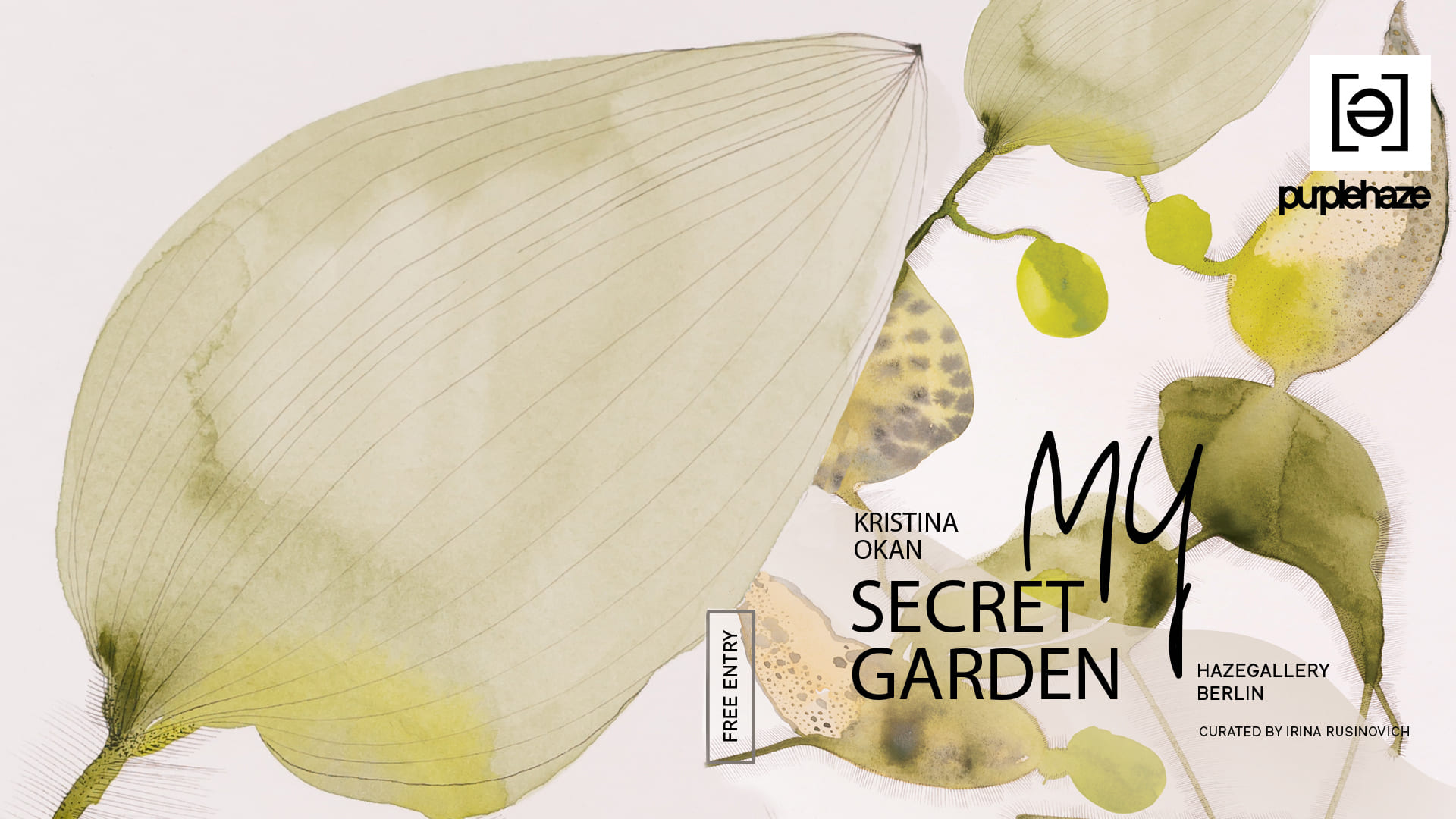
I was working for a quite long time on my solo exhibition MY SECRET GARDEN, but unfortuntely it was postponed and then finally cancelled due to current situation. Now I am very glad to announce that this show is finally going to happen in Haze Gallery and I am mostly focuced on its preparation. Besides this, I am working on a number of applications for ceramic biennales and art awards.
And don’t forget to subscribe
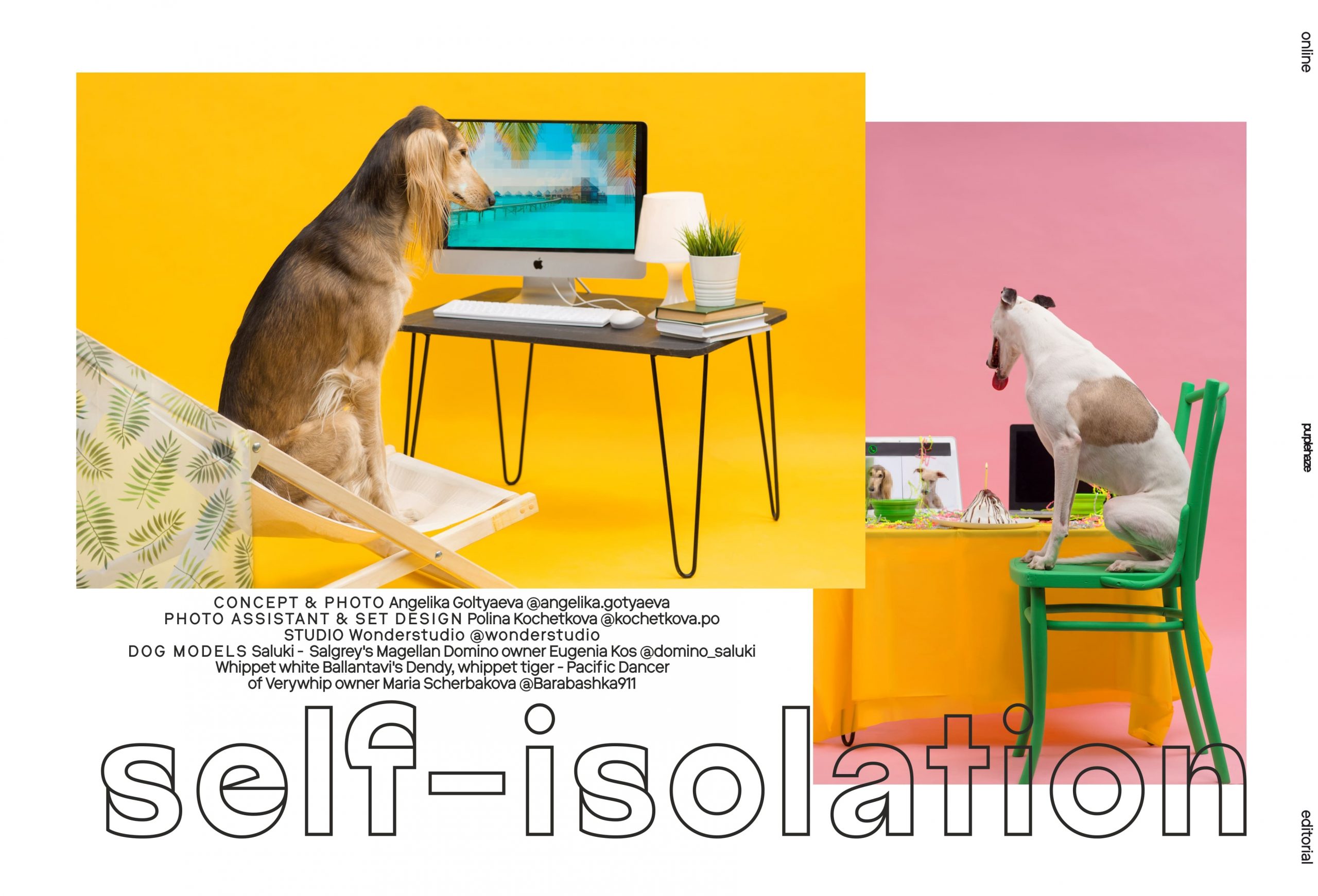
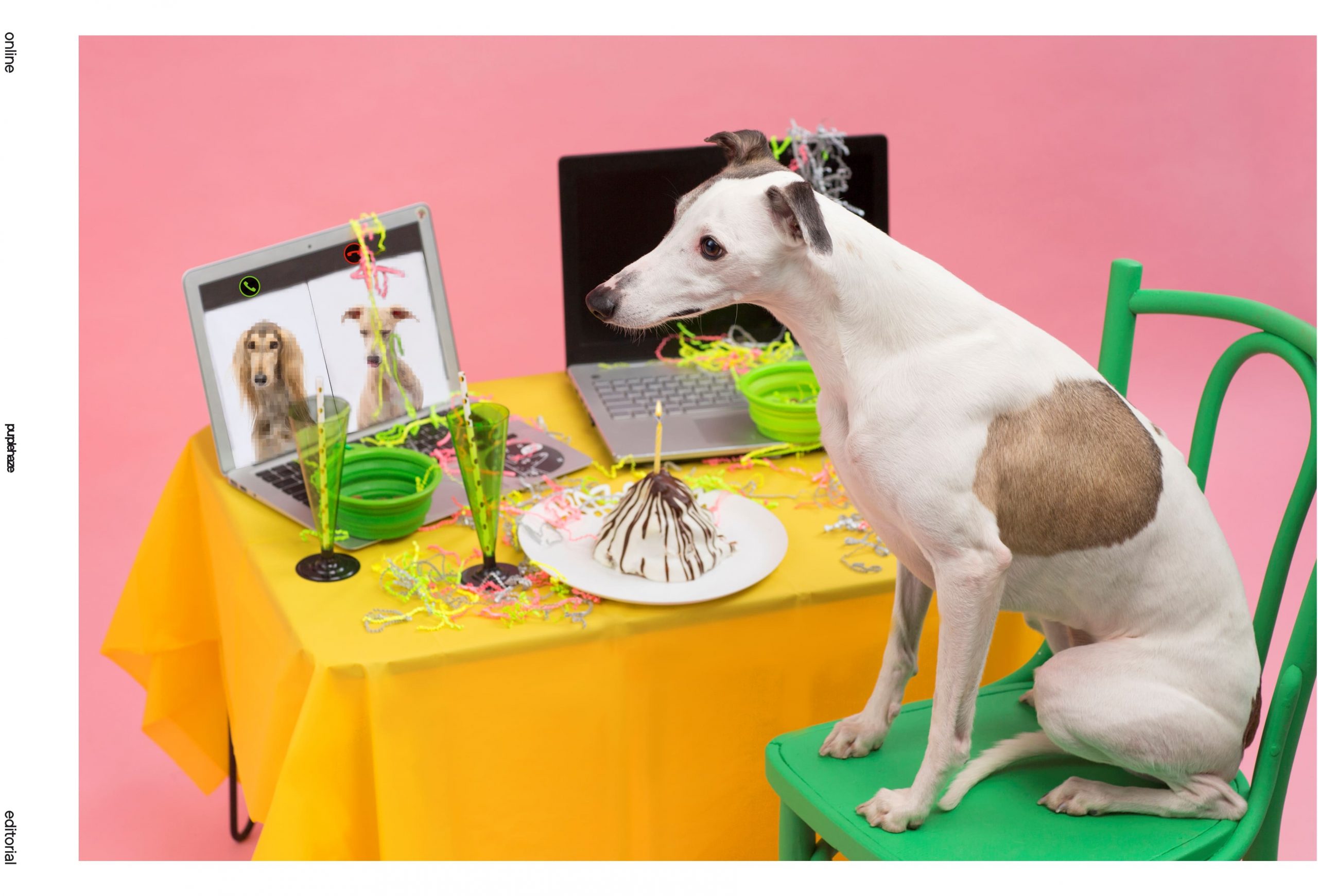
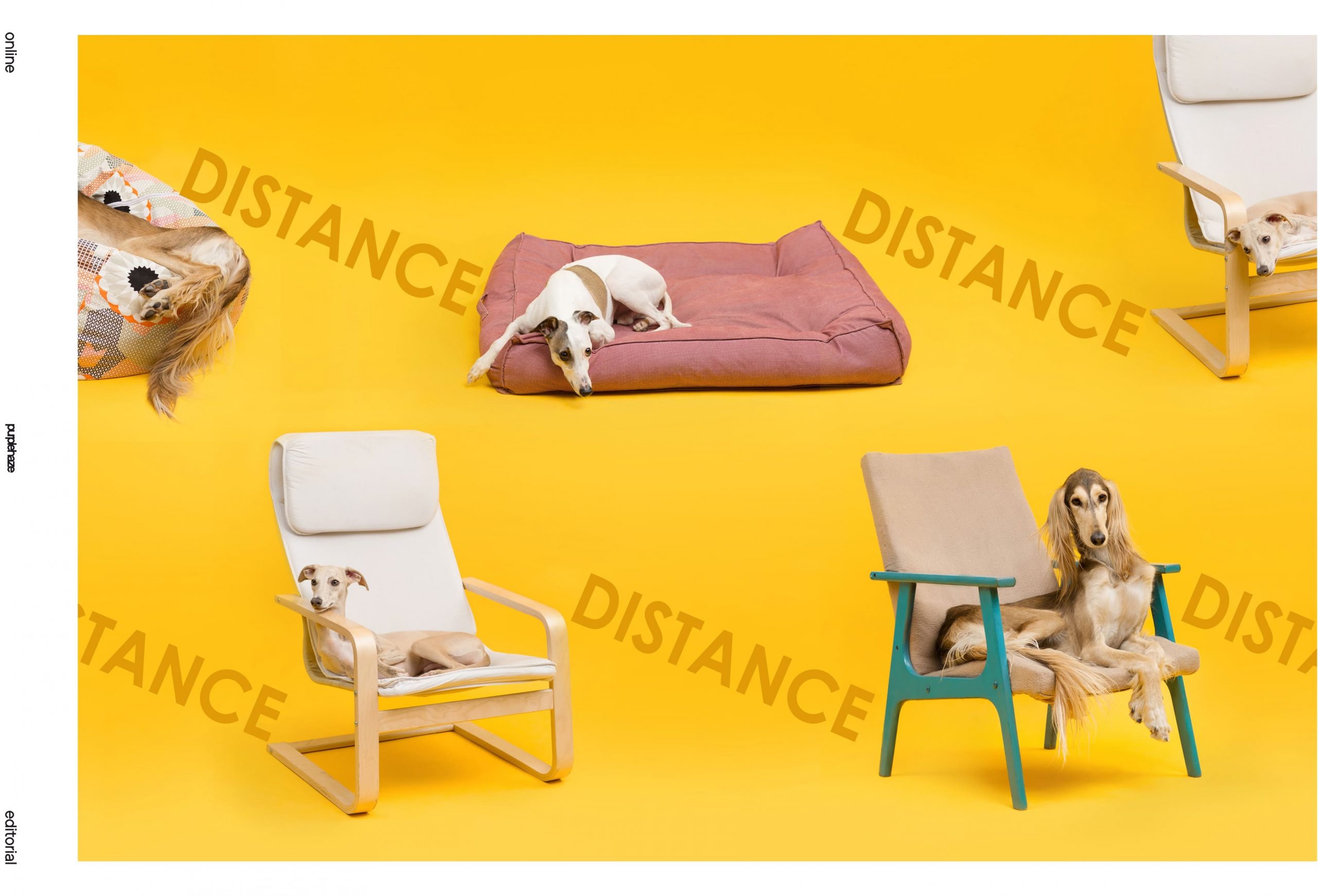
Concept/Photo – Angelika Goltyaeva @angelika.gotyaeva
Photo Assistant and Set design – Polina Kochetkova @kochetkova.po
Dog models: Saluki – Salgrey’s Magellan Domino owner Eugenia Kos @domino_saluki
Whippet white – Ballantavi’s Dendy, whippet tiger – Pacific Dancer of Verywhip owner Maria Scherbakova @barabashka911
Studio – Wonderstudio @wonderstudio


Neueste Kommentare